
White Light/Black Rain: The Destruction of Hiroshima and Nagasaki (2007)
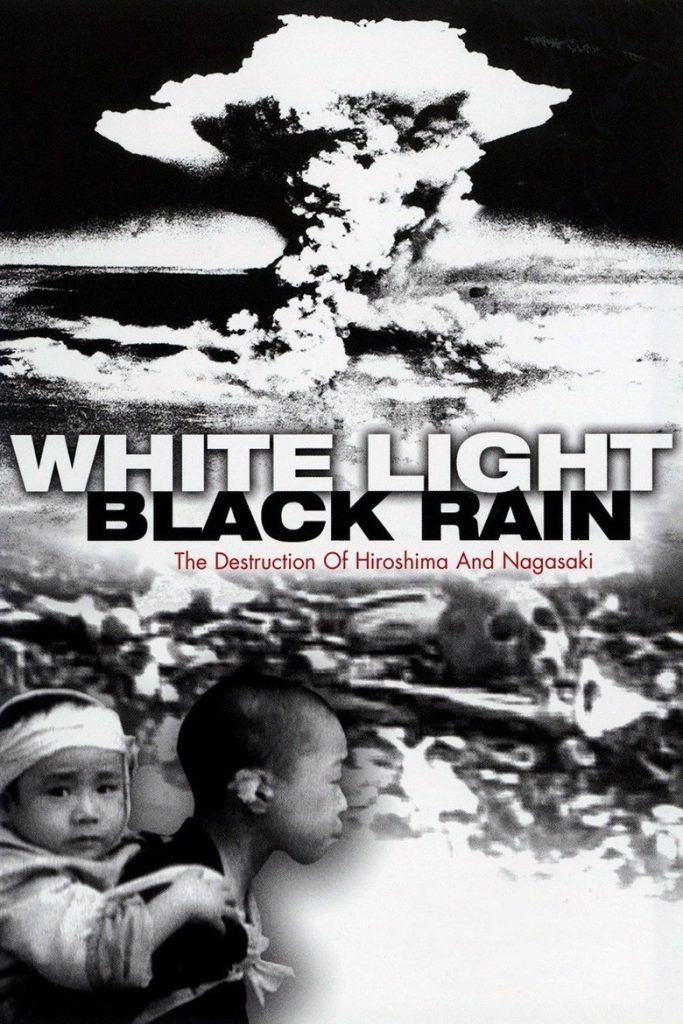
Story overview
This documentary explores the atomic bombings of Hiroshima and Nagasaki during World War II through survivor testimonies and archival footage. It examines the immediate devastation and long-term consequences of these events on Japanese civilians. The film provides a historical perspective on the human cost of nuclear warfare.
Parent Guide
A serious historical documentary with potentially disturbing content suitable for mature audiences.
Content breakdown
Contains archival footage of war devastation and aftermath.
Includes graphic images of injuries and destruction that may be upsetting.
No concerning language expected in documentary context.
No sexual content or nudity present.
No substance use depicted.
Deals with traumatic historical events and survivor stories.
Parent tips
This documentary contains graphic historical footage and emotional survivor accounts that may be disturbing for younger viewers. Parents should preview the content to assess appropriateness for their children's maturity level. Consider discussing the historical context beforehand to help children understand the significance of these events.
Parent chat guide
Parent follow-up questions
- What does peace mean to you?
- How can we be kind to others?
- What makes you feel safe?
- Why is it important to learn about history?
- How do people help each other after something bad happens?
- What can we do to promote peace in our community?
- What were the long-term effects of these events?
- How do documentaries help us understand history?
- Why is it important to hear different perspectives on historical events?
- What ethical questions does nuclear warfare raise?
- How has our understanding of these events evolved over time?
- What responsibilities do nations have to prevent such tragedies?
🎭 Story Kernel
The film's core is not a historical recount but a profound interrogation of memory, trauma, and the limits of language. It expresses the chasm between the clinical, strategic narrative of the bombings and the visceral, shattered reality of the survivors (hibakusha). What drives the characters—the survivors and some American personnel—is the desperate, often agonizing need to bear witness, to make the abstract 'event' tangible through personal ruin, in a world that largely prefers to forget. The movie argues that the true destruction extends beyond 1945, living on in silenced pain and geopolitical amnesia.
🎬 Visual Aesthetics
The visual language is a stark, devastating juxtaposition. Archival footage—both Japanese and American—is presented with unflinching clarity, its grainy, monochrome horror contrasted against crisp, color interviews with aged survivors. The camera holds relentlessly on faces as they recount their stories, making their pauses and tears the film's most powerful action. There is no symbolic artifice; the symbolism is in the actual keloid scars shown on bodies and the serene, rebuilt cityscapes of present-day Hiroshima/Nagasaki, which visually underscore the film's theme of hidden wounds beneath normalcy.
🔍 Details & Easter Eggs
💡 Behind the Scenes
Director Steven Okazaki spent over a decade gaining the trust of hibakusha to participate, with many giving what they vowed would be their final interviews. The production faced significant challenges in sourcing and clearing rights for the extremely graphic archival footage from both Japanese and U.S. military archives. Notably, the film includes interviews with U.S. veterans involved in the bombings, creating a rare, multifaceted perspective within a single documentary framework.
Where to watch
Choose region:
- HBO Max
- HBO Max Amazon Channel
- Amazon Video
- Apple TV
- Google Play Movies
- YouTube
- Fandango At Home