
Who Framed Roger Rabbit (1988)
Story overview
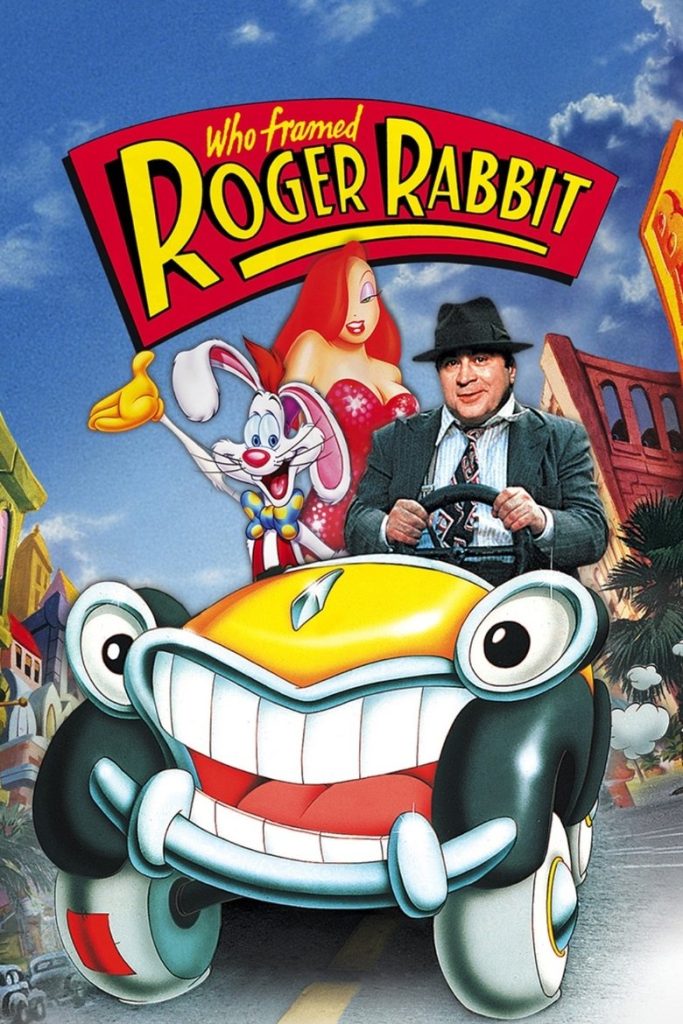
Who Framed Roger Rabbit is a groundbreaking 1988 film that blends live-action with animation in a detective story set in a world where cartoon characters (called 'Toons') coexist with humans. Private detective Eddie Valiant is hired to investigate whether Roger Rabbit's wife Jessica is being unfaithful, but the case turns serious when a prominent figure is murdered and Roger becomes the prime suspect. The film follows Eddie's investigation through a noir-inspired Los Angeles where humans and Toons interact, uncovering a larger conspiracy that threatens their entire community. It combines comedy, mystery, and fantasy elements while exploring themes of prejudice, corruption, and redemption.
Parent Guide
A creatively ambitious film that blends animation and live-action in a detective story with some intense moments and mature themes, best for children who can handle cartoon violence and suspenseful situations.
Content breakdown
Cartoon-style violence including characters being hit, dropped, flattened, or stretched (with quick recovery). Some perilous situations involving real-world dangers like falling, drowning risks, and vehicle chases. A murder occurs off-screen, and there are threatening confrontations.
The villain has a frightening appearance in later scenes, with exaggerated features that might scare sensitive children. Some suspenseful moments during the mystery investigation, and the overall noir atmosphere creates a darker tone than typical animated films. The concept of murder and corruption might be disturbing to some viewers.
Some mild insults and period-appropriate slang. No strong profanity, but occasional rude remarks and name-calling between characters.
Jessica Rabbit has a exaggerated, curvaceous design with revealing clothing and suggestive movements. Some mild innuendo and double entendres in dialogue, primarily related to infidelity suspicions. No explicit sexual content or nudity.
Social drinking in bars and clubs consistent with the 1940s setting. Some characters smoke cigarettes. No glorification or excessive use shown.
Moderate emotional intensity from the mystery elements, false accusations, and themes of prejudice. Some suspenseful sequences and confrontations. The film deals with serious topics like murder, betrayal, and discrimination within its comedic framework.
Parent tips
This PG-rated film contains some content that may require parental guidance. The movie includes cartoon-style violence with characters being hit, dropped, or squashed (though they typically recover quickly), and some perilous situations involving real-world dangers. There are mild suggestive elements, primarily through Jessica Rabbit's character design and some innuendo, though nothing explicit. The film's noir atmosphere includes some darker themes like murder, corruption, and prejudice that might be intense for younger viewers.
Parents should note that while the animation is colorful and entertaining, the live-action portions have a grittier, detective-story tone with some suspenseful moments. The villain's portrayal might be frightening to sensitive children, particularly in later scenes. The film also includes brief alcohol consumption and smoking by human characters, consistent with its 1940s setting.
Overall, the film is best suited for children who can distinguish between cartoon exaggeration and real-world consequences, and who won't be disturbed by the blend of comedy with some darker narrative elements. Its themes about tolerance and justice provide good discussion opportunities for families.
Parent chat guide
During viewing, pause if children seem confused or concerned about the human-cartoon interactions or the mystery elements. You can point out how the film shows different types of characters working together despite their differences. If the villain's scenes become intense, reassure children about the story's eventual outcome.
After watching, discuss the film's themes about treating everyone fairly regardless of how they look or where they come from. Talk about how Eddie changes his attitude toward Toons throughout the story, and how the film shows that appearances can be deceiving. Ask children what they thought about the blending of animation and live-action, and whether they noticed any messages about friendship or justice.
Parent follow-up questions
- What was your favorite cartoon character in the movie?
- How did the real people and cartoon characters play together?
- What was something funny that happened in the movie?
- How did Eddie help Roger?
- What colors did you see in the cartoon parts?
- What mystery was Eddie trying to solve?
- How were the cartoon characters different from the real people?
- Why do you think some people didn't like the Toons?
- What made Jessica Rabbit different from other cartoon characters?
- How did Eddie's feelings about Toons change during the story?
- What do you think the movie was saying about how people treat those who are different?
- How did the film blend comedy with more serious detective story elements?
- What techniques did the filmmakers use to make the cartoons and real actors seem like they were together?
- Why was Roger worried about his wife at the beginning?
- What did you think about the villain's plan and motivations?
- How does the film use its 1940s setting to comment on social issues?
- What cinematic techniques made the integration of animation and live-action effective?
- How does the film balance its noir detective elements with cartoon comedy?
- What themes about prejudice and redemption did you notice in Eddie's character arc?
- How does Jessica Rabbit's character challenge or reinforce stereotypes about female characters in animation?
🎭 Story Kernel
The film's core theme is the corrosive nature of greed disguised as progress. It's not really about who framed Roger Rabbit, but about who's trying to frame an entire way of life into obsolescence. Judge Doom's plan to dismantle Toontown for a freeway represents corporate interests destroying community and art for profit. Eddie Valiant's arc from cynical detective to defender of toons mirrors rediscovering joy and fighting for what's authentic against soulless modernization. The characters are driven by trauma (Eddie's brother killed by a toon), ambition (Doom's real estate scheme), and the desperate need for connection (Roger and Jessica's strained marriage).
🎬 Visual Aesthetics
The film's visual genius lies in its seamless integration of two incompatible realities. Robert Zemeckis uses noir lighting—deep shadows, venetian blind patterns, smoke-filled rooms—for the human world, while Toontown explodes in primary colors and impossible physics. The camera treats toons as physical entities, with shadows, reflections, and weight. Notice how Jessica Rabbit's red dress becomes the only vibrant color in muted human scenes, symbolizing desire cutting through cynicism. The dip sequence uses horror movie techniques, with its bubbling, flesh-melting visuals creating genuine terror from cartoon logic.
🔍 Details & Easter Eggs
💡 Behind the Scenes
The production was a logistical nightmare requiring unprecedented cooperation between Disney and Warner Bros. Bob Hoskins spent months acting opposite tennis balls and empty space, developing a technique he called 'acting with the air.' The famous scene where Roger handcuffs himself to Eddie took 50 takes because the physical handcuffs kept interfering with the animation. Jessica Rabbit's voice was performed by uncredited actress April Winchell for the speaking parts, while Amy Irving provided the singing voice. The film used over 1,000 visual effects shots—revolutionary for 1988—and employed 326 animators who worked in complete secrecy.
Where to watch
Choose region:
- Disney Plus
- Amazon Video
- Apple TV
- Google Play Movies
- YouTube
- Fandango At Home
Trailer
Trailer playback is unavailable in your region.