Who Killed the Montreal Expos? (2025)
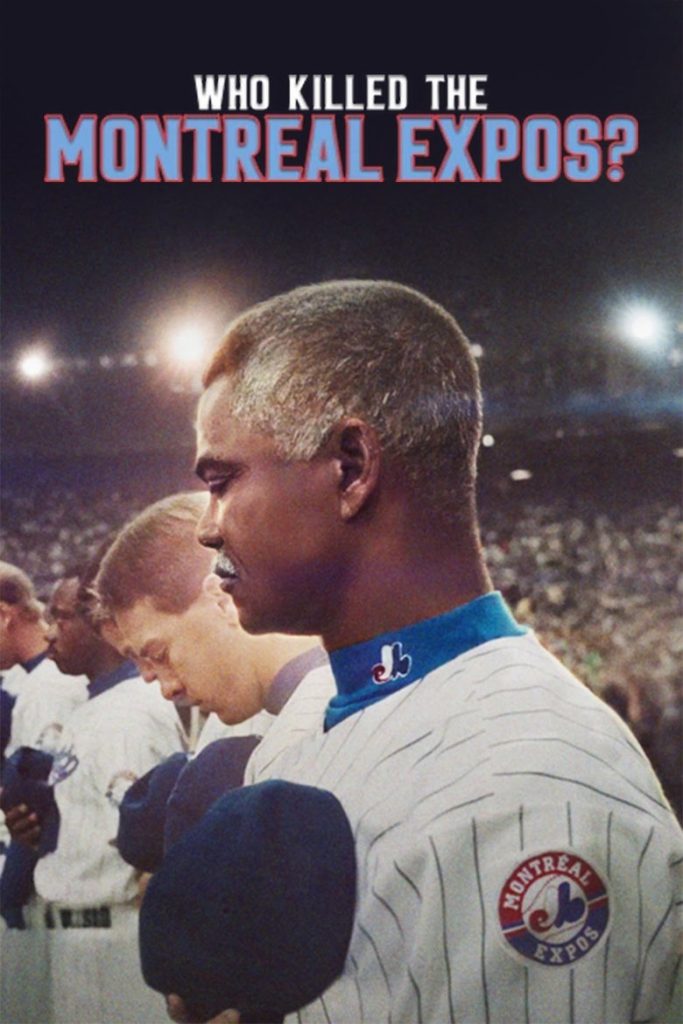
Story overview
This documentary explores the complex factors that led to the demise of the Montreal Expos, Canada's first Major League Baseball team. Through interviews with former players, analysis of business decisions, and historical context, it investigates the various parties and circumstances that contributed to the team's relocation.
Parent Guide
A documentary about baseball history and business that's generally family-friendly but deals with themes of disappointment and loss for sports fans.
Content breakdown
No violence or peril depicted. The documentary focuses on business decisions and historical events.
Nothing scary or disturbing. Some fans express disappointment about the team leaving, but no disturbing imagery.
No strong language expected in this documentary format. May include mild sports-related expressions.
No sexual content or nudity.
No depiction of substance use.
Some emotional moments as former players and fans discuss the team's departure, but overall tone is analytical rather than emotionally intense.
Parent tips
This documentary focuses on sports business history and may include discussions of financial struggles, team relocation, and disappointment for fans. It's suitable for children interested in baseball history, but younger viewers might need help understanding the business aspects.
Parent chat guide
Parent follow-up questions
- Did you see people playing baseball in the movie?
- What colors did the baseball players wear?
- Did the movie make you want to play catch?
- Why do you think people were sad when the Expos left Montreal?
- What do you think makes a baseball team special to a city?
- Have you ever been disappointed when something you liked went away?
- What factors do you think contributed most to the Expos leaving Montreal?
- How do you think the players felt about the team moving?
- What responsibility do team owners have to their fans and city?
- How do economic factors influence professional sports teams' decisions?
- What role did media coverage and public perception play in the Expos' story?
- How might the Expos' experience reflect broader issues in professional sports today?
🎭 Story Kernel
The film dissects the systemic collapse of Major League Baseball’s first international venture, positioning the 1994 players' strike not just as a labor dispute, but as a fatal blow to a franchise at its peak. It explores the toxic cocktail of political apathy, a crumbling concrete monolith of a stadium, and the perceived betrayal by ownership groups. The narrative transcends sports, illustrating how a cultural institution was dismantled by corporate maneuvering and a lack of local investment. It’s a story of 'what if,' examining the psychological scar left on Montreal’s identity when its beloved 'Nos Amours' were effectively sold for parts and moved to Washington. Poisson frames the departure as a calculated execution rather than an accidental death, focusing on the intersection of business and civic pride.
🎬 Visual Aesthetics
Poisson utilizes a somber, investigative aesthetic, heavily relying on grainy archival footage of the 1994 season to contrast with the sterile, modern interviews. The cinematography often lingers on the brutalist architecture of the Olympic Stadium, treating the 'Big O' as a silent, decaying witness to the team's demise. There is a deliberate use of cold, blue-toned lighting in contemporary segments, evoking a sense of mourning and clinical observation. The editing rhythm mimics a true-crime procedural, using slow pans over old newspaper headlines and legal documents to emphasize the bureaucratic nature of the team's 'murder.' This visual approach makes the absence of baseball feel physically palpable, turning the empty stadium seats into a recurring motif of abandonment and lost potential.
🔍 Details & Easter Eggs
💡 Behind the Scenes
Director Jean-François Poisson is known for his investigative work, and this project was timed to coincide with the 20th anniversary of the Expos' final game in 2004. The production involved extensive archival research to find footage of the 1994 locker room and the final days at Jarry Park. It features key interviews with figures like Felipe Alou and various political insiders who were in the room when the stadium deals collapsed. The documentary was originally produced for the Quebec market before being distributed more broadly, reflecting the enduring local obsession with the team's controversial exit.
Where to watch
Choose region:
- Netflix
- Netflix Standard with Ads
Trailer
Trailer playback is unavailable in your region.