Whoopi Goldberg Presents Moms Mabley (2013)
Story overview
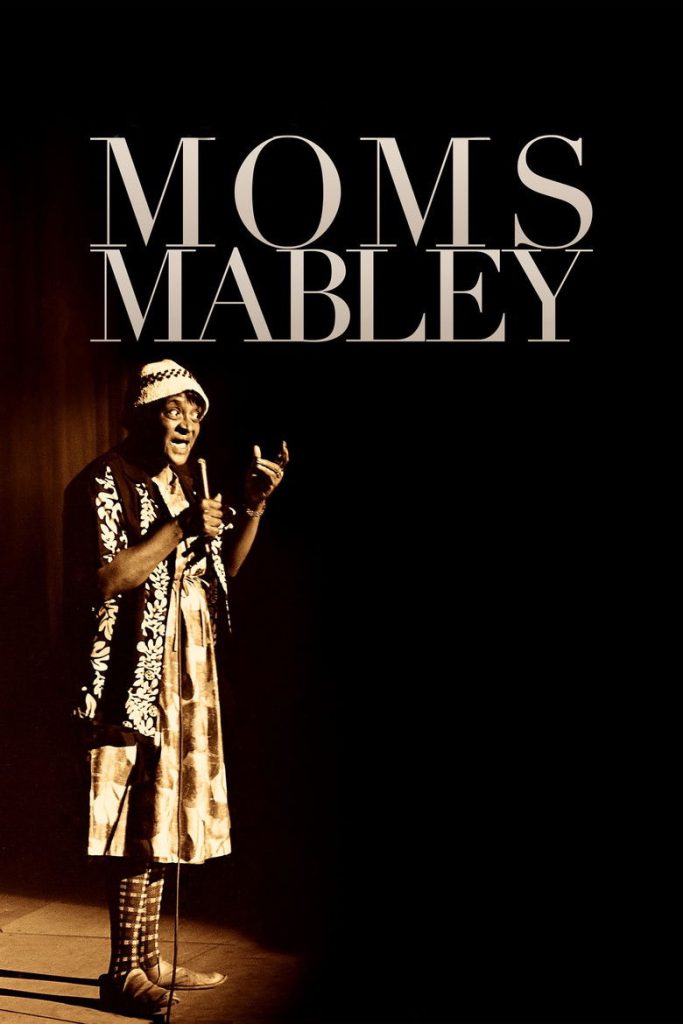
This documentary explores the life and career of Jackie 'Moms' Mabley, a pioneering African-American comedian who broke barriers in entertainment from the 1920s to the 1970s. Through archival footage, interviews, and commentary, it highlights her unique comedic style that addressed social issues like racism and gender roles, her rise from the Chitlin' Circuit to mainstream success, and her lasting influence on comedy. Directed by Whoopi Goldberg as a passion project, it celebrates Mabley's legacy as a performer ahead of her time.
Parent Guide
This documentary is educational and inspiring, focusing on a significant cultural figure, but it includes mature themes and historical context that may require parental guidance for younger viewers.
Content breakdown
No violence or peril depicted; the content is primarily archival footage and interviews.
Mildly disturbing discussions of historical racism and discrimination, presented in a documentary context without graphic imagery.
May include mild language or suggestive humor from Mabley's comedy routines, typical of her era, but no strong profanity.
Mild sexual references in comedic contexts, such as jokes about relationships and aging, without explicit content or nudity.
No depiction or discussion of substance use.
Mild emotional intensity related to discussions of social injustice and Mabley's personal struggles, but overall uplifting in tone.
Parent tips
This documentary is suitable for older children and teens due to mature themes. It discusses historical racism and sexism, includes comedic references to adult topics like relationships and aging, and may contain mild language or suggestive humor typical of Mabley's era. Parents should preview it for younger viewers, as it deals with social issues that may require context. The runtime is short (72 minutes), making it manageable for family viewing with guidance.
Parent chat guide
Parent follow-up questions
—
- Who was Moms Mabley and why is she important?
- What does it mean to be a 'pioneer' in comedy?
- How did people use laughter to talk about serious things?
- How did Moms Mabley's comedy address issues like racism and sexism?
- What was the Chitlin' Circuit, and why was it significant for African-American performers?
- Why do you think Whoopi Goldberg wanted to make this documentary?
- In what ways was Moms Mabley 'ahead of her time' in her comedic approach?
- How does her legacy influence modern comedians, especially women and people of color?
- Discuss the role of documentary filmmaking in preserving cultural history, using this film as an example.
🎭 Story Kernel
The film is less a conventional documentary and more an act of cultural reclamation. At its core, it's about the transmission of legacy—specifically, how Whoopi Goldberg serves as both curator and conduit for Moms Mabley's revolutionary spirit. The driving force isn't just biographical curiosity, but a profound sense of debt and responsibility. Goldberg positions Mabley not merely as a historical figure, but as the foundational bedrock upon which her own career and countless others were built. The narrative explores how Mabley's carefully constructed stage persona—the frumpy, toothless old lady—was a Trojan horse, allowing her to deliver subversive, socially critical comedy to mainstream audiences who might otherwise have rejected a Black woman's unfiltered truth. The film argues that Moms Mabley's humor was a survival tool and a weapon, and that forgetting her is an erasure of a crucial chapter in the fight for artistic and social freedom.
🎬 Visual Aesthetics
The visual language is a deliberate collage, mirroring the patchwork of Mabley's recovered legacy. Archival footage—grainy, high-contrast clips from 'The Ed Sullivan Show' and nightclub stages—is treated with reverence, often presented in full-frame silence before context or laughter is added. This technique forces the viewer to truly *see* her performance. Modern interviews are shot intimately, with warm, direct lighting on Goldberg and other commentators, creating a confessional tone. The most striking aesthetic choice is the interspersing of Mabley's stand-up audio over completely unrelated, serene vintage footage (like trains passing or cityscapes). This disjunction brilliantly visualizes her voice as a constant, traveling force separate from her physical image, emphasizing the enduring power of her words over the ephemeral nature of the visual record that nearly failed her.
🔍 Details & Easter Eggs
💡 Behind the Scenes
Whoopi Goldberg had been trying to get this documentary made for over two decades, fueled by a personal mission. A significant portion of the archival material was considered lost; researchers had to scour flea markets, personal collections, and obscure network vaults. The film's production was intimately tied to Goldberg's own role as a custodian of comedy history. Notably, several clips came from the private collection of comedian and collector J. Kevin Swain. The project gained crucial momentum after a 2013 PBS documentary on African American comedians reignited interest. Goldberg not only executive produced and narrates but is palpably present as an interviewer, her emotional reactions to rediscovered footage being genuine and unscripted moments captured during production.
Where to watch
Choose region:
- HBO Max
- HBO Max Amazon Channel
- Amazon Video
- Apple TV Store
- Google Play Movies
- YouTube
- Fandango At Home
Trailer
Trailer playback is unavailable in your region.