
Wicked: The Real Story (2024)
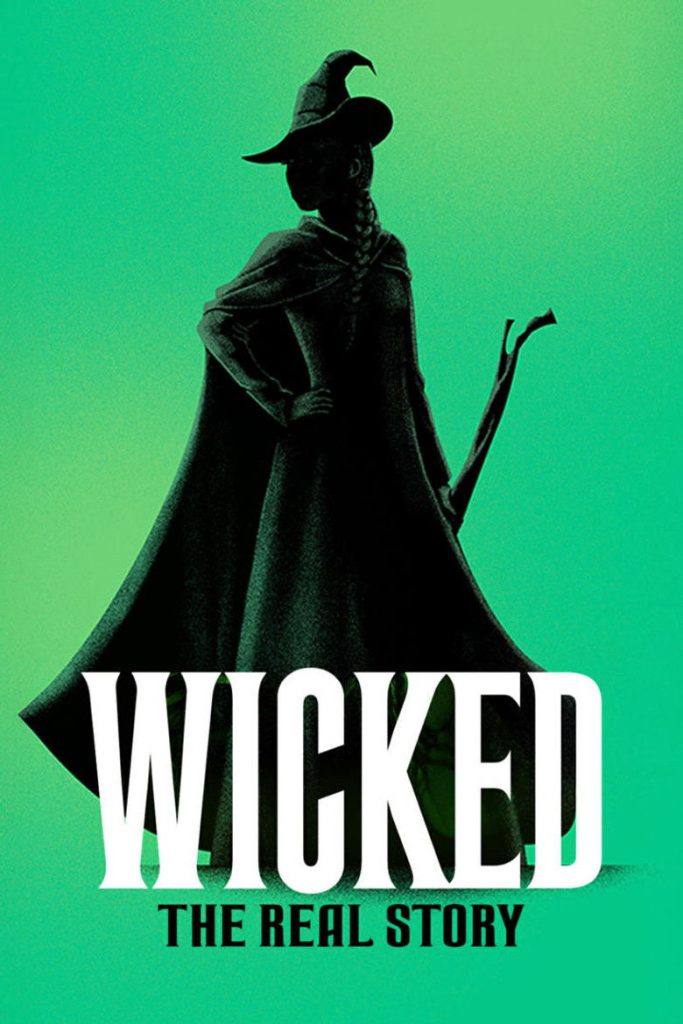
Story overview
This 2024 documentary explores the creation and cultural impact of the popular stage musical 'Wicked,' based on Gregory Maguire's novel. Through interviews with key figures like composer Stephen Schwartz and producer Marc Platt, it traces the production's journey from book to acclaimed theatrical phenomenon in the UK and internationally, offering insights into its enduring appeal.
Parent Guide
A family-friendly documentary about the making of a popular musical, with no objectionable content. Suitable for viewers interested in theater, storytelling, or 'Wicked' itself.
Content breakdown
No violence or peril depicted. The documentary discusses theatrical themes but does not show any dangerous situations.
Nothing scary or disturbing. It focuses on interviews and behind-the-scenes insights into a stage production.
No offensive or strong language expected. The tone is professional and informative.
No sexual content or nudity. The documentary is about theatrical creation and history.
No depiction or discussion of substance use.
Mild emotional moments may arise from discussions of the musical's themes, such as friendship or societal acceptance, but nothing intense or distressing.
Parent tips
This documentary is suitable for most families, focusing on creative storytelling and theatrical history. It may interest children familiar with 'Wicked' or musical theater. No concerning content is present, but younger viewers might find the talking-head format less engaging. Consider discussing themes like friendship, acceptance, and perseverance afterward.
Parent chat guide
Parent follow-up questions
- What was your favorite part of the show?
- Did you see any costumes or sets you liked?
- What colors or music did you enjoy?
- How do you think 'Wicked' is different from other stories you know?
- What does it mean to be 'wicked' or 'good'?
- Why do you think people work together to make a play?
- How does the documentary show the process of adapting a book for the stage?
- What challenges might the creators have faced?
- How does 'Wicked' address themes like friendship and discrimination?
- In what ways does 'Wicked' subvert traditional narratives about good and evil?
- How does the documentary highlight the cultural impact of musical theater?
- What insights does it offer about creative collaboration and artistic legacy?
🎭 Story Kernel
Robin Bextor’s documentary serves as a forensic examination of the 'Wicked Witch' archetype, tracing its lineage from L. Frank Baum’s 1900 novel to the 2003 Broadway phenomenon. The film argues that the character’s transformation from a one-dimensional personification of evil into a nuanced protagonist reflects shifting societal values regarding morality and 'the other.' By interviewing literary experts and creators like Gregory Maguire, Bextor explores the deconstruction of the Oz mythos. The core theme is the power of perspective; it illustrates how history is written by the winners and how 'wickedness' is often a label imposed on those who challenge the status quo. It is less about magic and more about the socio-political mechanics of villainy.
🎬 Visual Aesthetics
The visual style is a rhythmic montage of archival materials, juxtaposing the high-contrast Technicolor of the 1939 MGM film with the saturated, neon-green lighting of the Broadway stage. This visual contrast serves as a metaphor for the character's evolution from a 'Golden Age' villain to a modern protagonist. Bextor uses L. Frank Baum’s original book illustrations to provide a textured, historical grounding, creating a visual bridge between 19th-century literature and 21st-century pop culture. The editing emphasizes the recurring motif of green skin, tracking its transformation from a grotesque mask of evil into a celebrated badge of uniqueness and power.
🔍 Details & Easter Eggs
💡 Behind the Scenes
Robin Bextor, a seasoned documentary filmmaker known for his 'Real Story' series, directed this film to explore the cultural phenomenon of Oz. It was released during the height of 'Wicked-mania' following the musical's 2003 Broadway debut. The documentary is notable for featuring direct insights from Gregory Maguire, whose 1995 novel reinvented the Wicked Witch for a contemporary audience. Bextor’s approach focuses on the 'evolution of an icon,' documenting how the character of Elphaba transitioned from a literary antagonist to a symbol of female empowerment and social defiance in the 21st century.
Where to watch
Choose region:
- Peacock Premium
- Peacock Premium Plus
- Fandango at Home Free
- Xumo Play
- Mometu
- Tubi TV
- Amazon Video
- Apple TV Store
- Google Play Movies
- YouTube
- Fandango At Home
Trailer
Trailer playback is unavailable in your region.