
Wild Tales (2014)
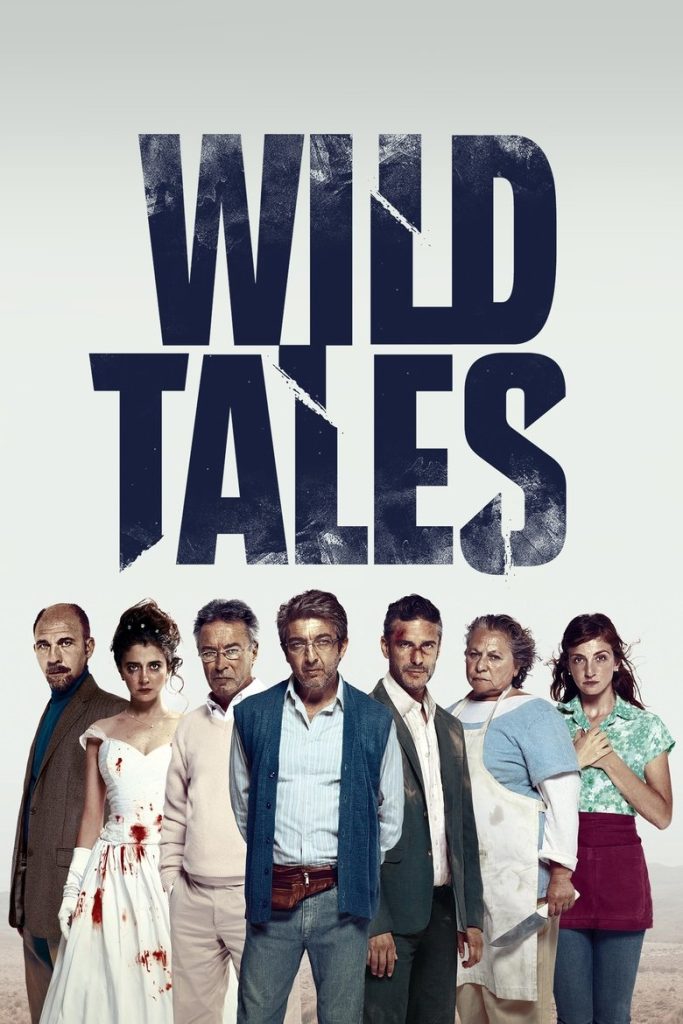
Story overview
Wild Tales is a dark comedy anthology film from Argentina that explores how ordinary people react under extreme stress and injustice. Through six separate stories, it portrays characters pushed to their breaking points by everyday frustrations like road rage, bureaucratic corruption, and personal betrayals. The film blends humor with tense, sometimes violent situations to examine human nature when civility breaks down.
Parent Guide
Mature dark comedy anthology with intense violence, strong language, and complex themes about justice and human nature.
Content breakdown
Graphic violence including shootings, car crashes, physical confrontations, and implied violent acts. Multiple scenes show characters in life-threatening situations.
Intense situations and emotional breakdowns may be disturbing. Dark themes of revenge and corruption presented with unsettling realism despite comedic tone.
Frequent strong language throughout, including profanity and crude expressions in multiple stories.
Some sexual references and innuendo in dialogue, particularly in wedding-related story. No explicit nudity shown.
Characters shown drinking alcohol in social settings. Some scenes include smoking. No glorification of substance abuse.
High emotional tension throughout as characters experience rage, betrayal, and desperation. Multiple climaxes of intense conflict.
Parent tips
This R-rated film contains strong language, intense violence, and mature themes throughout all six stories. The anthology format means there are multiple climaxes of tension and conflict, with characters often resorting to extreme measures. While presented with dark humor, the content is consistently adult-oriented and not suitable for younger viewers.
Parents should note the film includes graphic violence (shootings, car crashes, physical confrontations), frequent strong language, and scenes of emotional breakdowns. Some stories involve themes of revenge, corruption, and relationship betrayal that require mature perspective to process appropriately.
Parent chat guide
During viewing, pause if needed to check in about the intense moments and dark humor. The anthology format allows natural breaks between stories for discussion. After watching, focus conversations on the film's themes rather than specific violent acts - discuss how characters' choices escalate situations and what alternatives might exist in real life.
Parent follow-up questions
- Did any parts of the movie make you feel worried?
- What did you think about how the people were feeling?
- Can you tell me about one nice thing you saw?
- How do you feel when something seems unfair?
- What makes you feel better when you're upset?
- Why do you think the characters got so angry?
- What could someone do instead of getting even when they're mad?
- How did the movie make you feel during the exciting parts?
- What does 'justice' mean to you?
- Have you ever felt really frustrated like the characters?
- What do you think the film is saying about how people handle stress?
- How does the dark humor affect how we view the serious situations?
- What real-life situations might make people feel this frustrated?
- How do different characters' responses to injustice compare?
- What message do you think the director wants viewers to take away?
- How does the film use exaggeration to comment on real societal issues?
- What psychological factors might drive people to these extreme reactions?
- How does the anthology structure enhance or limit the film's themes?
- What role does dark humor play in processing difficult emotions?
- How might different cultural contexts affect interpretation of these stories?
🎭 Story Kernel
The film's core theme is the explosive release of repressed societal rage. Each vignette explores how seemingly civilized people, when pushed beyond their breaking point by systemic injustice, bureaucratic absurdity, or personal betrayal, revert to primal, violent instincts. The characters are driven by a desperate need for justice or revenge in a world that offers none through proper channels. It's not about random chaos, but the inevitable eruption of fury when the social contract—built on fairness and order—is repeatedly violated. The movie suggests our civilized selves are performative, easily discarded when the mechanisms of society fail us.
🎬 Visual Aesthetics
Director Damián Szifron employs a crisp, vibrant visual style that contrasts sharply with the dark content. The camera work is dynamic yet controlled, often using steady, composed shots that make the sudden eruptions of violence more jarring. The color palette is saturated and realistic, grounding the absurdity in a believable world. Symbolism is direct and impactful: the pristine wedding cake destroyed, the sleek car on the endless highway, the sterile government office. The visual language shifts subtly between segments, from the claustrophobic tension of 'The Proposal' to the vast, sun-bleached nihilism of 'The Road,' always serving the story's escalating tension.
🔍 Details & Easter Eggs
💡 Behind the Scenes
The film was Argentina's submission for the Best Foreign Language Film Oscar and was nominated. Several segments were inspired by real events reported in Argentine news. The explosive opening sequence, 'Pasternak,' was partly inspired by a true story of a man who discovered everyone on a flight was connected to his psychiatrist. Ricardo Darín, starring in 'The Deal,' is one of Argentina's most renowned actors. The wedding sequence required meticulous choreography to balance dark comedy with genuine emotional breakdown, with actress Érica Rivas delivering her frenzied performance mostly in one intense take.
Where to watch
Choose region:
- Amazon Video
- Apple TV
- Google Play Movies
- YouTube
- Fandango At Home
Trailer
Trailer playback is unavailable in your region.