Wild Wild Space (2024)
Story overview
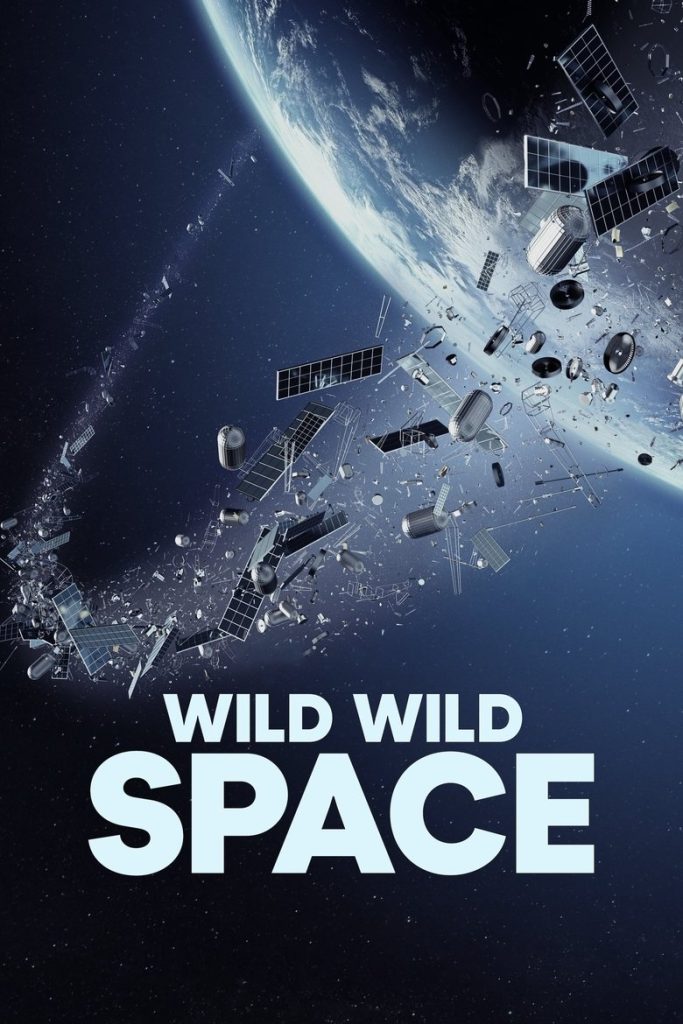
This 2024 documentary explores the competitive commercial space industry through the lens of three pioneering companies: Astra Space, Rocket Lab, and Planet Labs. It focuses on their visionary founders' ambitious efforts to advance space technology and dominate this rapidly growing sector, offering insights into modern space entrepreneurship and innovation.
Parent Guide
Educational documentary about commercial space companies with minimal concerning content. Most appropriate for children with existing interest in space or science topics.
Content breakdown
May include footage of rocket launches and potential failures, but no graphic violence or peril to people.
Some tense moments during rocket launch sequences or business challenges, but nothing truly frightening.
May include occasional mild language consistent with business documentary style, but no strong profanity expected.
No sexual content or nudity in this educational documentary.
No depiction of substance use in this professional/business context documentary.
Moderate emotional intensity related to business competition and technological challenges, but not overwhelming for most viewers.
Parent tips
This documentary is suitable for most children interested in space and science, but parents should note its TV-MA rating. It primarily deals with business competition and technological challenges rather than intense content. Watch together to discuss the real-world applications of space technology and the perseverance required in scientific endeavors.
Parent chat guide
Parent follow-up questions
- What do rockets do?
- What is space?
- Can you draw a satellite?
- What do you think satellites help us with on Earth?
- Why do different companies want to go to space?
- What was the most interesting machine you saw in the movie?
- How do you think commercial space companies are changing space exploration?
- What challenges do you think these founders faced?
- What might be some benefits and risks of more companies going to space?
- How does the commercialization of space compare to government-led space programs?
- What ethical considerations should guide private space companies?
- How might the competition shown in the film drive innovation in the space industry?
🎭 Story Kernel
Wild Wild Space explores the frantic, unregulated land grab occurring in Low Earth Orbit, shifting the focus from the poetic wonder of Apollo-era exploration to the gritty, capitalistic reality of the New Space race. The film centers on the fierce competition between entrepreneurs like Chris Kemp of Astra and Peter Beck of Rocket Lab, illustrating how space has become a playground for venture capital and ego. It probes the ethical vacuum of this modern gold rush, questioning the long-term consequences of filling our orbit with thousands of satellites. Ultimately, it is a study of human ambition and the recurring pattern of colonizing frontiers without a map for sustainability, highlighting the tension between revolutionary technology and the potential for an orbital catastrophe that could lock humanity on Earth forever.
🎬 Visual Aesthetics
Ross Kauffman employs a kinetic documentary style that mirrors the frantic pace of the industry he covers. The visual palette contrasts the sterile, high-tech environments of mission control centers with the visceral, often explosive reality of failed rocket launches. There is a recurring visual motif of the grid—the invisible network of satellites being woven around the planet—which serves as both a symbol of global connectivity and a looming cage of space debris. The cinematography captures the immense scale of the rockets against the intimate, often stressed expressions of the engineers and CEOs. By blending sleek corporate promotional footage with raw, handheld behind-the-scenes shots, the film visually articulates the gap between the polished dream of space travel and the messy, high-risk business of actually getting there.
🔍 Details & Easter Eggs
💡 Behind the Scenes
The documentary is inspired by the reporting of Ashlee Vance, particularly his book 'When the Heavens Went on Sale.' Vance, who also wrote the definitive biography of Elon Musk, serves as a primary narrator and guide through this chaotic landscape. Director Ross Kauffman, an Academy Award winner for 'Born into Brothels,' brings a humanistic lens to a subject often dominated by cold physics and balance sheets. The film was produced for HBO and features unprecedented access to the launch sites and boardrooms of the companies that are currently outpacing NASA in launch frequency.
Where to watch
Choose region:
- HBO Max
- HBO Max Amazon Channel
Trailer
Trailer playback is unavailable in your region.