
Winnie the Pooh: A Very Merry Pooh Year (2002)
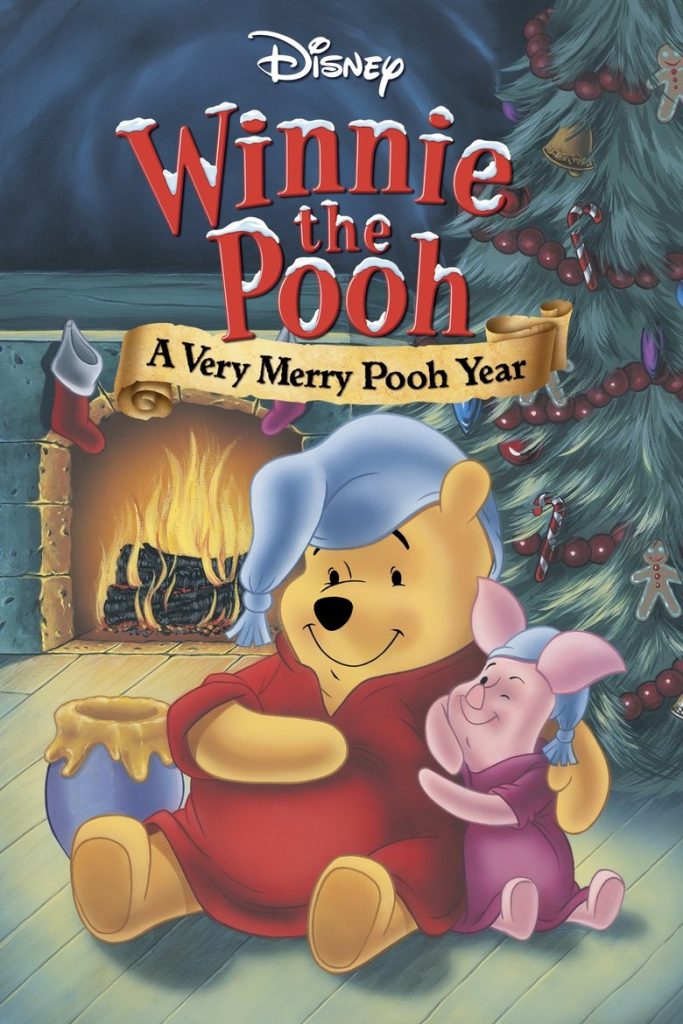
Story overview
This animated holiday special follows Winnie the Pooh and his friends in the Hundred Acre Wood as they prepare for Christmas. Pooh realizes he forgot to add his wish to their letter to Santa Claus and sets out on a mission to deliver it before Christmas arrives. The story focuses on friendship, holiday preparations, and simple adventures in their familiar woodland setting. It's a gentle seasonal tale appropriate for young viewers.
Parent Guide
A completely gentle holiday special with no concerning content, perfectly suitable for even the youngest viewers.
Content breakdown
No violence or peril present.
Nothing scary or disturbing occurs.
No inappropriate language.
No sexual content or nudity.
No substance use depicted.
Very mild emotional moments related to holiday excitement and friendship.
Parent tips
This G-rated holiday special is completely appropriate for all ages with no concerning content. The gentle adventures and mild misunderstandings are resolved quickly with friendship and cooperation. Parents can be confident this presents no challenging themes or intense moments - it's a warm, seasonal story about simple holiday preparations among friends.
Parent chat guide
Parent follow-up questions
- What was your favorite part of the movie?
- Which character did you like the most?
- What do you think Pooh wanted for Christmas?
- How do you help your friends?
- What holiday traditions do we have in our family?
- Why do you think Pooh forgot to add his wish to the letter?
- How did the characters work together to solve problems?
- What does this movie teach us about friendship during holidays?
- What would you have done if you were Pooh?
- How do different characters show they care about each other?
- What holiday messages does this story convey about giving and receiving?
- How do the characters' different personalities affect how they approach Christmas preparations?
- What does this story suggest about the importance of communication with friends?
- How might this story be different if set during another holiday?
- What values are emphasized through the characters' interactions?
- How does this holiday special use familiar characters to convey seasonal messages?
- What might this story suggest about community and tradition?
- How do the simple conflicts reflect common holiday experiences?
- In what ways does this animation style contribute to the gentle tone?
- How might younger and older viewers interpret the story differently?
🎭 Story Kernel
The film's core tension isn't about holiday mishaps but the characters' contrasting relationships with time. Rabbit's frantic, calendar-driven anxiety about the New Year's party represents adult pressures to control and optimize time. In contrast, Pooh's simple, present-focused desire for honey and friendship embodies a childlike acceptance of time's natural flow. The resolution—where Rabbit's meticulously planned party is upended by Pooh's accidental honey spill, yet everyone enjoys the messy, improvised celebration—argues that meaningful connection occurs not through rigid scheduling but through spontaneous, shared moments. It's a gentle critique of productivity culture, suggesting that our most cherished memories often arise from unplanned disruptions to our carefully constructed timelines.
🎬 Visual Aesthetics
The animation employs a soft, watercolor-inspired palette dominated by warm earth tones and muted holiday reds and greens, creating a cozy, storybook atmosphere that visually rejects harsh modernity. Camera work is deliberately simple, with static shots and gentle pans that mirror the Hundred Acre Wood's tranquil pace. The contrast between Rabbit's scenes—often framed with rigid lines of his garden and house—and Pooh's more fluid, organic environments in the woods visually reinforces their conflict. Symbolically, the recurring honey pot represents not just Pooh's appetite but the 'sweetness' of present-moment enjoyment, while Rabbit's broken clock becomes a literal manifestation of time's resistance to human control.
🔍 Details & Easter Eggs
💡 Behind the Scenes
This 2002 direct-to-video release was actually a compilation film, combining two previously separate holiday shorts: 'Winnie the Pooh and Christmas Too' (1991) and 'Winnie the Pooh: A Very Merry Pooh Year' (2002). The voice cast featured veterans from earlier Pooh projects, with Jim Cummings performing both Pooh and Tigger—a role he inherited after original voice actor Paul Winchell's retirement. Animation was produced at Disney's television animation studio using traditional hand-drawn techniques, deliberately maintaining the simpler, softer visual style of the 1970s features rather than adopting the more detailed approach of contemporary Disney theatrical releases.
Where to watch
Choose region:
- Disney Plus
- Amazon Video
- Apple TV
- Google Play Movies
- YouTube
- Fandango At Home
Trailer
Trailer playback is unavailable in your region.