
Winter on Fire: Ukraine’s Fight for Freedom (2015)
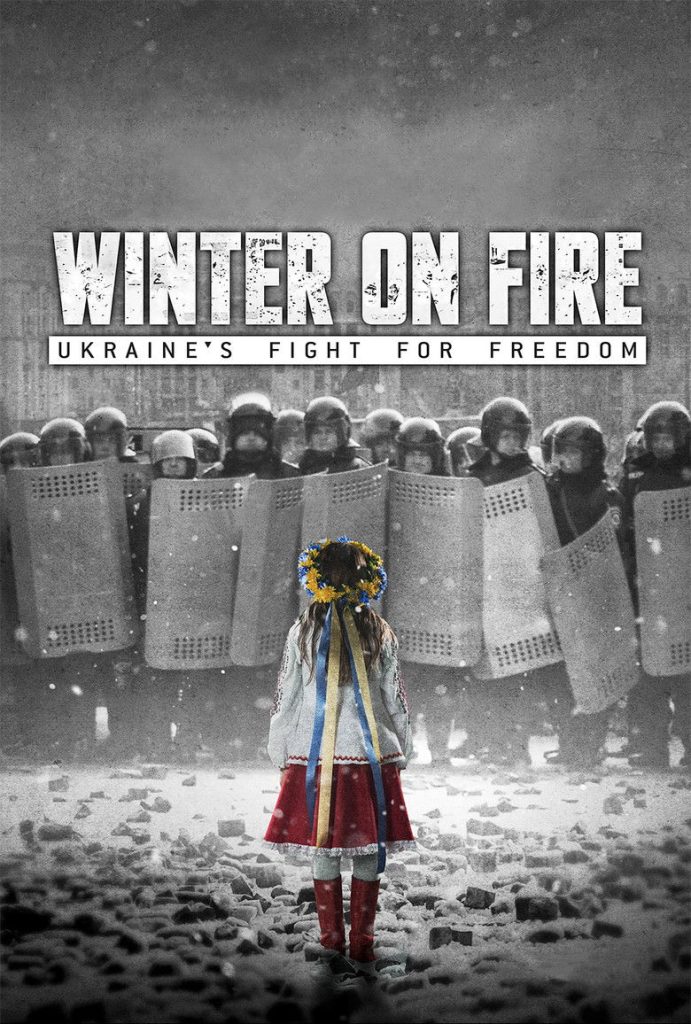
Story overview
This documentary chronicles the 2013-2014 Euromaidan protests in Ukraine, where peaceful student demonstrations escalated into a violent revolution and civil rights movement over 93 days. It features real footage of protests, clashes with security forces, and interviews with participants, capturing the transformation of a movement for political change into a struggle for national identity and freedom.
Parent Guide
A powerful but intense documentary about real-life political revolution with graphic violence and emotional depth. Suitable for mature teens with guidance; not for children under 13.
Content breakdown
Extensive real footage of violent clashes: protesters and police fighting with bats, shields, and makeshift weapons; people being beaten, dragged, and shot; graphic injuries including blood, wounds, and dead bodies; scenes of chaos, explosions, and burning barricades. Multiple deaths are shown or implied.
Highly disturbing content: real violence and peril as above; emotional distress of participants crying, screaming, or in pain; themes of political oppression, sacrifice, and loss; intense scenes of conflict and danger that may be frightening or unsettling.
Occasional subtitled strong language in Ukrainian/Russian (e.g., equivalents of 'hell' or 'damn'), but minimal in English. Some protest chants and emotional outbursts.
No sexual content or nudity.
No depiction of substance use.
High emotional intensity due to real-life stakes: themes of freedom, sacrifice, and violence; scenes of grief, anger, and determination; may provoke strong feelings about politics, human rights, or conflict. Not recommended for sensitive viewers without support.
Parent tips
This film contains intense real-world violence including graphic footage of protests turning violent, clashes with police, injuries, and deaths. It shows blood, wounded people, and disturbing scenes of conflict. The emotional content is heavy, dealing with political oppression, sacrifice, and loss. Best for mature teens who can process complex historical events; not suitable for young children. Watch together to discuss the historical context and emotional impact.
Parent chat guide
Parent follow-up questions
—
- What do you think the people in the movie were trying to change?
- How did you feel when you saw the big crowds of people?
- What does 'freedom' mean to you?
- Why do you think the protests started peacefully but became violent?
- What role do you think the police and government should play in protests?
- How does this event relate to what you learn about history or current events?
- What historical or political factors led to this conflict in Ukraine?
- How does the media coverage in the film shape your understanding of the events?
- What are the ethical implications of filming and showing real violence in documentaries?
- How might this revolution compare to other civil rights movements in history?
🎭 Story Kernel
The film's core theme is the explosive transformation of a protest for European integration into a primal fight for human dignity. It's not about political ideology but about the visceral moment when peaceful citizens, faced with state-sanctioned brutality, realize their own power. The characters are driven by a collective awakening—from students with smartphones to grandmothers with medical kits, they're united by the shocking realization that their government sees them as expendable. The narrative arc follows how targeted violence against idealistic youth radicalizes an entire population, turning a specific political demand into a universal cry for basic rights and self-determination.
🎬 Visual Aesthetics
The documentary employs a raw, immersive visual language that blurs the line between journalism and lived experience. Shaky, handheld footage places viewers directly in the chaos of Maidan Square, while the color palette shifts dramatically: from the cold blues and grays of winter protests to the hellish oranges and reds of burning barricades and molotov cocktails. The camera doesn't flinch from close-ups of bloodied faces or the determined eyes of protesters singing hymns through gas masks. This isn't stylized symbolism but direct testimony—the visual grammar of urgency where every frame screams that this is happening now, and the person holding the camera might be next.
🔍 Details & Easter Eggs
💡 Behind the Scenes
Director Evgeny Afineevsky compiled footage from over 30 camerapersons—both professional journalists and protesters themselves—who risked their lives during the 93-day uprising. The film was shot entirely on location in Kyiv during the actual events of 2013-2014, with no reenactments. Afineevsky, originally from Russia, faced significant personal risk making this film and had to work discreetly to avoid surveillance. The editing process involved sifting through thousands of hours of footage to create the chronological narrative, with many contributors remaining anonymous for safety reasons.
Where to watch
Choose region:
- Netflix
- Netflix Standard with Ads
Trailer
Trailer playback is unavailable in your region.