
Wolf Children (2012)
Story overview
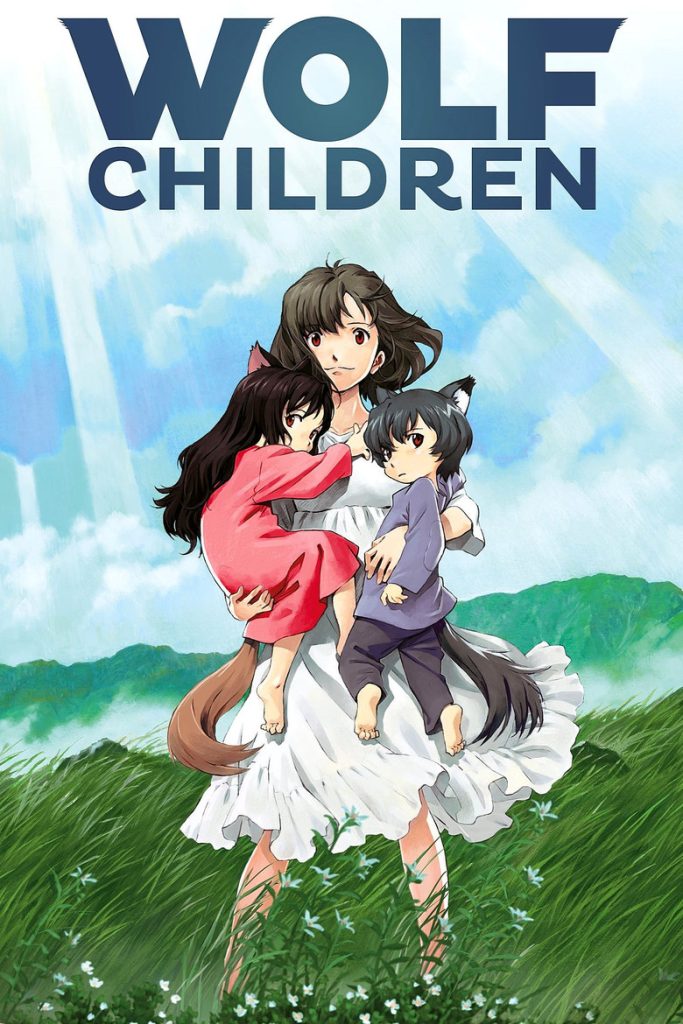
Wolf Children is a heartfelt animated film about a young mother who must raise her two children alone after their father's sudden death. The children inherit their father's ability to transform into wolves, which presents unique challenges as they grow up. The story explores themes of family, identity, and the struggles of single parenthood through beautiful animation and emotional storytelling.
Parent Guide
A beautiful family drama with fantasy elements that explores mature themes of loss, identity, and parenting.
Content breakdown
Some tense moments when characters are in danger, but no graphic violence.
Emotional scenes involving parental loss and identity struggles may be intense for sensitive viewers.
No offensive language present.
No sexual content or nudity.
No substance use depicted.
Strong emotional themes around family, loss, and growing up different in society.
Parent tips
This film deals with mature themes including parental loss, identity struggles, and the challenges of being different in society. While the animation style is gentle, there are emotional moments that might be intense for younger viewers. The PG rating reflects these themes rather than any graphic content, making it suitable for older children who can handle discussions about family dynamics and grief.
Parent chat guide
Parent follow-up questions
- What was your favorite animal in the movie?
- How did the family help each other?
- What made you happy in the story?
- How do you think the children felt when they changed?
- What does it mean to be a good family member?
- Why do you think the children could turn into wolves?
- How did the mother take care of her children differently?
- What challenges did the family face because they were different?
- How did the characters show they loved each other?
- What would you do if you had a special ability like the children?
- How does the film show the balance between human and animal nature?
- What does the story teach us about accepting differences?
- How did the mother's parenting change as her children grew?
- What responsibilities come with having special abilities?
- How do the children's experiences reflect real-life challenges of growing up?
- How does the film explore themes of identity and belonging?
- What commentary does the story make about societal expectations versus personal nature?
- How does single parenthood affect family dynamics in the film?
- What sacrifices do parents make for their children's happiness?
- How does the fantasy element serve as a metaphor for real-life differences?
🎭 Story Kernel
At its heart, 'Wolf Children' explores the tension between nature and nurture through Hana's journey raising Yuki and Ame. The film questions what it means to be a parent when your children belong to two worlds. Hana's struggle isn't just about keeping their wolf heritage secret, but about allowing them to discover their own identities. The children's diverging paths—Yuki embracing her human side while Ame chooses the wild—represent the painful reality that parenting often means letting go. The movie suggests that true love means accepting that our children may choose lives we can't fully understand or share.
🎬 Visual Aesthetics
Mamoru Hosoda's visual language masterfully contrasts domestic and wild spaces through color and composition. Warm, soft hues dominate Hana's home life, while cooler blues and greens define the wilderness. The transformation sequences are particularly striking—fluid and organic rather than violent, emphasizing the naturalness of their dual nature. Camera movements mirror emotional states: steady, grounded shots during domestic scenes give way to sweeping, dynamic angles when the children run free. The changing seasons visually track the family's evolution, with winter's starkness reflecting their isolation and spring's bloom symbolizing growth.
🔍 Details & Easter Eggs
💡 Behind the Scenes
Director Mamoru Hosoda drew heavily from his own experiences becoming a father during production, which deeply influenced the film's emotional authenticity. The rural setting was inspired by Japan's depopulated countryside, with the abandoned school Ame attends being based on real locations. Studio Chizu, founded by Hosoda specifically for this film, developed new animation techniques to create the wolves' fur and movement, spending months studying real wolf behavior. The voice casting was intentional—Aoi Miyazaki (Hana) was chosen for her ability to convey both strength and vulnerability without melodrama.
Where to watch
Choose region:
- HBO Max
- HBO Max Amazon Channel
- Amazon Video
- Apple TV
- Google Play Movies
- YouTube
- Fandango At Home
Trailer
Trailer playback is unavailable in your region.