
Words Bubble Up Like Soda Pop (2021)
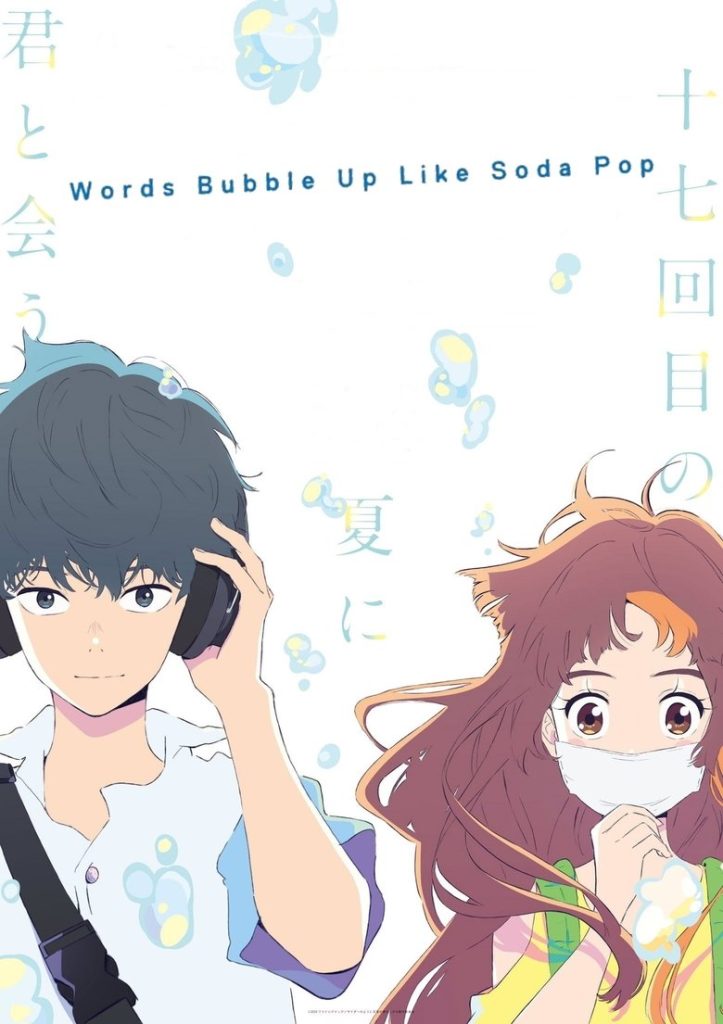
Story overview
Words Bubble Up Like Soda Pop is a gentle animated romance about two teenagers who connect during a summer encounter. The story follows a shy boy who expresses himself through haiku poetry and a girl who appears bubbly but struggles with self-consciousness. Their brief friendship explores themes of communication, self-expression, and the fleeting magic of summer connections.
Parent Guide
A gentle animated romance suitable for most families, focusing on emotional connection and self-expression.
Content breakdown
No violence, fighting, or dangerous situations.
No frightening imagery, jump scares, or disturbing content.
No offensive language or crude humor.
No sexual content, nudity, or romantic physical contact beyond innocent interactions.
No depiction of alcohol, drugs, or smoking.
Some scenes show characters experiencing shyness, social anxiety, or mild emotional vulnerability.
Parent tips
This Japanese animated film offers a quiet, character-driven story suitable for most families. The romance is sweet and innocent, focusing on emotional connection rather than physical relationships. Parents should be aware that the film deals with themes of social anxiety and self-image, which may resonate with pre-teens and teenagers navigating similar feelings.
The pacing is contemplative rather than action-packed, which might require some patience from younger viewers accustomed to faster-paced animation. The haiku poetry elements provide opportunities to discuss creative expression and different forms of communication.
Overall, this is a gentle film that celebrates kindness, connection, and finding one's voice.
Parent chat guide
If your child relates to the characters' shyness or self-consciousness, this film provides a natural opening to discuss those feelings. You might share times when you've felt uncertain about expressing yourself.
The film's emphasis on brief, meaningful connections could lead to conversations about friendships, summer memories, or appreciating special moments even when they don't last forever.
Parent follow-up questions
- What was your favorite color in the movie?
- How did the characters show they were friends?
- What sounds did you hear in the summer scenes?
- What made you smile in the movie?
- How do you show someone you like them?
- Why do you think the boy liked writing haiku?
- How did the characters help each other feel better?
- What does it mean to be 'shy'?
- Have you ever felt nervous to talk to someone new?
- What summer activities did you see in the movie?
- How did the characters overcome their insecurities?
- What did the movie show about different ways of communicating?
- Why do you think summer friendships can feel special?
- How did the animation style help tell the story?
- What did you learn about Japanese culture from the film?
- How does the film portray the relationship between self-expression and self-confidence?
- What commentary does the movie make about social anxiety in adolescence?
- How effective were the haiku elements in developing character depth?
- What did you think about the pacing and tone of the film?
- How does the animation style contribute to the emotional atmosphere?
🎭 Story Kernel
At its core, 'Words Bubble Up Like Soda Pop' explores communication beyond words—the unspoken connections that form when traditional language fails. Cherry is a haiku poet who struggles with verbal expression, while Smile hides behind a surgical mask and headphones, both creating protective barriers against the world. Their relationship develops through shared silences, music, and Cherry's carefully crafted 5-7-5 syllable poems. The film suggests that true understanding often happens in the spaces between words, through shared experiences and emotional resonance rather than perfect articulation. The elderly character Fujiyama's quest to find a specific record becomes a metaphor for searching for lost connections and memories.
🎬 Visual Aesthetics
The film's visual language mirrors its thematic focus on fragmented communication through a distinctive collage aesthetic. Scenes are often framed with multiple layers—windows within windows, reflections within reflections—creating visual barriers that echo the characters' emotional walls. The color palette shifts with emotional states: warm oranges and yellows dominate summer scenes, while cooler blues appear during moments of isolation. The animation style incorporates digital glitches and pixelation during emotional breakthroughs, visually representing words 'bubbling up' from subconscious to conscious expression. Character movements are deliberately restrained, with subtle gestures carrying more weight than dramatic actions.
🔍 Details & Easter Eggs
💡 Behind the Scenes
Director Kyōhei Ishiguro intentionally avoided traditional anime character designs, instead collaborating with illustrator Flying Dog to create a unique visual style blending 2D animation with collage elements. The film's soundtrack features original songs by singer-songwriter Mito, who also provided the singing voice for Smile during musical sequences. Production was notably affected by COVID-19 restrictions, with the team developing remote collaboration methods that ironically mirrored the film's themes of connection across distance. The elderly character Fujiyama was partially inspired by real-life record collectors director Ishiguro interviewed during research.
Where to watch
Choose region:
- Netflix
- Netflix Standard with Ads
Trailer
Trailer playback is unavailable in your region.