
Wrath: A Seven Deadly Sins Story (2022)
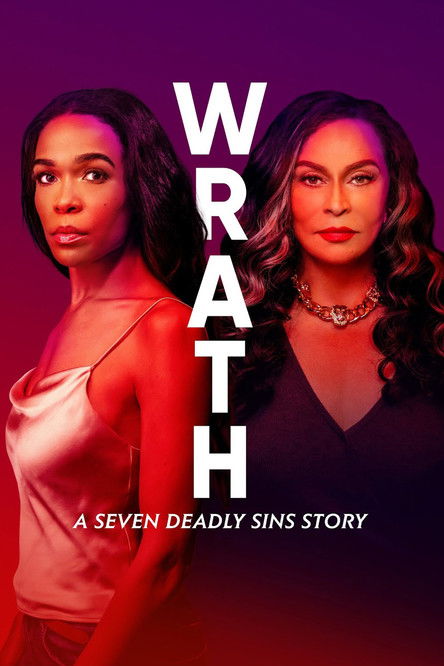
Story overview
Wrath: A Seven Deadly Sins Story is a 2022 thriller TV movie that explores themes of anger and its consequences through a mystery and romance lens. The story follows characters dealing with intense emotions and dramatic situations, likely involving personal conflicts and secrets. As part of a series about the seven deadly sins, it focuses on how wrath can drive people's actions and relationships.
Parent Guide
This thriller/drama explores intense emotional themes related to wrath and likely contains mature content suitable only for older teens.
Content breakdown
Likely contains tense situations and potential conflict given the thriller genre and wrath theme.
Themes of anger and emotional intensity may be disturbing, especially for sensitive viewers.
May include strong language given the mature rating and intense emotional themes.
May contain romantic elements, but specifics unknown without more information.
Could include references or depictions given the mature rating, but not confirmed.
Focuses on wrath as a central theme, likely involving intense emotional situations and conflicts.
Parent tips
This film is rated 16+, indicating it's intended for mature audiences due to its thriller and drama elements. Parents should be aware that the movie deals with the theme of wrath, which may involve intense emotional situations and potentially disturbing content. Consider watching it first or researching more specific content warnings before deciding if it's appropriate for your teen.
Parent chat guide
Parent follow-up questions
- What makes you feel angry sometimes?
- How do you calm down when you're upset?
- What's a nice way to tell someone you're mad?
- Who can you talk to when you feel angry?
- Can you think of a time when being angry helped solve a problem?
- What are some good ways to handle feeling really angry?
- Why do you think people sometimes do mean things when they're mad?
- How can you tell if someone is angry without them saying it?
- What happens when people stay angry for a long time?
- How can friends help each other when they're upset?
- What are the differences between feeling angry and acting on that anger?
- How do movies sometimes make anger look exciting or powerful?
- What are some consequences of letting anger control your decisions?
- How can people express strong feelings without hurting others?
- Why might someone hide their anger instead of talking about it?
- How does this film explore the concept of wrath as a 'deadly sin'?
- What societal factors might contribute to people's anger in the story?
- How do the characters' relationships change because of their anger?
- What healthier alternatives could the characters have chosen for dealing with their emotions?
- How does media portrayal of intense emotions influence real-life expectations about anger management?
🎭 Story Kernel
At its core, 'Wrath: A Seven Deadly Sins Story' explores how righteous anger can mutate into destructive obsession. The protagonist's quest for justice after her fiancé's murder initially feels justified, but the film meticulously charts her transformation into someone as morally compromised as those she hunts. Her driving force shifts from grief-fueled purpose to a toxic addiction to vengeance, blurring lines between victim and perpetrator. The narrative suggests that unchecked wrath doesn't purify injustice—it replicates it, trapping the avenger in the same cycle of violence they sought to escape. The supporting characters serve as mirrors reflecting different stages of this emotional decay.
🎬 Visual Aesthetics
The film employs a stark visual dichotomy between warm, saturated flashbacks of the protagonist's past happiness and the cold, desaturated palette of her present vengeance. Camera work becomes increasingly unstable as her obsession deepens, using Dutch angles and shaky handheld shots during confrontations to mirror her psychological unraveling. Action sequences are brutal and practical rather than stylized, emphasizing the physical and emotional toll of violence. Symbolic use of reflective surfaces—mirrors, windows, puddles—forces characters to confront their changing selves. The color red appears strategically, not just in blood but in environmental details, marking moments where wrath overwhelms reason.
🔍 Details & Easter Eggs
💡 Behind the Scenes
Lead actress Antonique Smith performed most of her own stunt work after intensive tactical training, wanting the physicality to feel authentic rather than choreographed. The film was shot primarily in Atlanta neighborhoods that rarely appear in mainstream cinema, giving the urban environments a distinctive, lived-in texture. Director Jamal Hill insisted on practical effects for violence scenes, resulting in longer takes that required precise timing from actors. The production deliberately avoided glamorous lighting even for close-ups, maintaining the gritty visual consistency throughout.
Where to watch
Choose region:
- Disney Plus
- Lifetime Movie Club
- Tubi TV
- Amazon Video
- Fandango At Home
Trailer
Trailer playback is unavailable in your region.