
X-Men: First Class (2011)
Story overview
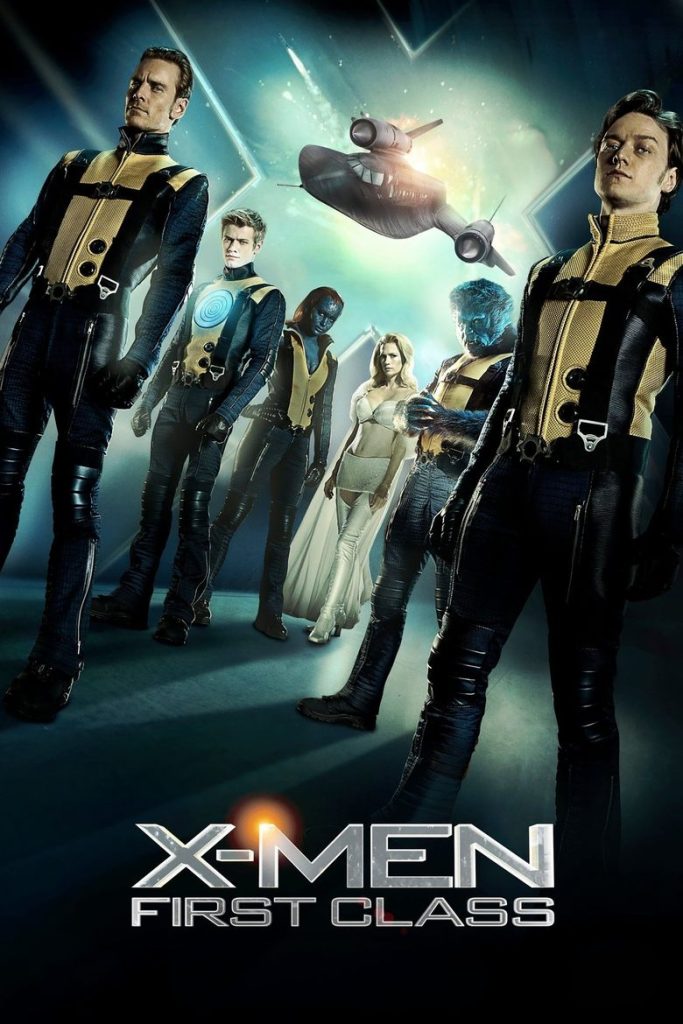
X-Men: First Class is a 2011 superhero film that explores the origins of the X-Men team. Set during the Cold War era, it follows young mutants Charles Xavier and Erik Lensherr as they form an alliance to prevent a global nuclear conflict. The story delves into their friendship and ideological differences while introducing other mutants with unique abilities. It combines action with themes of acceptance, prejudice, and the struggle for peace.
Parent Guide
A superhero origin story with moderate action violence, complex themes, and historical context. Best for mature children who can handle intense scenes and discuss ethical questions.
Content breakdown
Superhero-style combat, weapon use, and confrontations. Some scenes show characters in peril, but without extreme graphic detail.
Some intense moments and emotional scenes involving discrimination and conflict. No particularly frightening imagery.
Occasional mild language typical of PG-13 films. No strong or frequent profanity.
Brief suggestive content and mild innuendo. No explicit scenes or nudity.
Social drinking in some scenes. No depiction of substance abuse.
Themes of prejudice, friendship under pressure, and moral choices create emotional weight. Characters face difficult decisions and consequences.
Parent tips
This PG-13 rated film contains moderate action violence and peril typical of superhero movies, including combat scenes, weapon use, and intense confrontations. Some scenes may be emotionally intense as characters face discrimination and moral dilemmas. The Cold War setting and themes of prejudice provide opportunities for discussions about history, ethics, and social issues with older children.
Parent chat guide
Parent follow-up questions
- Did you like the characters with special powers?
- What was your favorite part of the movie?
- How did the friends help each other?
- Were there any parts that made you feel worried?
- What colors or sounds did you notice in the movie?
- Why do you think some people were afraid of the mutants?
- How did Charles and Erik work together even though they were different?
- What does it mean to be a 'good guy' or 'bad guy' in this story?
- How did the characters use their powers to help others?
- What would you do if you had a special power like the characters?
- What do you think the movie says about prejudice and acceptance?
- How do Charles and Erik's different approaches to conflict reflect real-world situations?
- What responsibilities come with having special abilities or power?
- How does the historical setting (Cold War) affect the story?
- What makes someone a hero in this film?
- How does the film explore the theme of 'with great power comes great responsibility'?
- What parallels can you draw between the mutants' struggle and real-world civil rights movements?
- How do the characters' ideologies (peaceful coexistence vs. militant response) reflect philosophical debates?
- What does the film suggest about the relationship between fear and aggression?
- How does the origin story format affect how we understand these characters?
🎭 Story Kernel
At its core, 'X-Men: First Class' explores how trauma shapes ideology. Charles Xavier's privileged upbringing leads him to believe in peaceful coexistence, while Erik Lehnsherr's Holocaust experience makes him see humanity as an existential threat. The film isn't about good versus evil, but about two valid responses to oppression: integration versus separation. Their friendship fractures not over personal betrayal, but over fundamentally incompatible worldviews. The Cuban Missile Crisis setting isn't just backdrop—it mirrors the mutants' own nuclear-level ideological standoff. Ultimately, the film argues that the most painful divisions occur between those who share the same pain but draw different conclusions.
🎬 Visual Aesthetics
The film employs a distinct visual dichotomy: warm, saturated colors for Xavier's world of privilege and academia, contrasted with cold, desaturated blues and grays for Erik's memories and Shaw's submarine. Camera work emphasizes intimacy during character moments—tight close-ups during the coin scene—while action sequences use wider shots to showcase mutant powers as extensions of personality. The 1960s aesthetic isn't just period dressing; the sleek lines and bold colors visually represent the era's optimism that Xavier embodies, while Shaw's retro-futuristic submarine symbolizes outdated ideologies. Notice how Erik's red helmet, when finally worn, visually isolates him from both friends and audience.
🔍 Details & Easter Eggs
💡 Behind the Scenes
Michael Fassbender performed his own stunts during the Argentina bar scene, including the impressive knife throw. The film's production was remarkably fast—principal photography wrapped in just 77 days. James McAvoy and Michael Fassbendor spent weeks together developing their characters' chemistry, including improvising dialogue that made it into the final cut. The CIA sets were filmed at Pinewood Studios, using some of the same soundstages as the original Bond films, fitting given the 1960s spy thriller vibe. Jennifer Lawrence spent three hours daily in makeup as Mystique, a role she'd reprise in later films despite initial hesitation about the extensive prosthetics.
Where to watch
Choose region:
- Disney Plus
- HBO Max
- HBO Max Amazon Channel
- Amazon Video
- Apple TV
- Google Play Movies
- YouTube
- Fandango At Home
Trailer
Trailer playback is unavailable in your region.