
Y Tu Mamá También (2001)
Story overview
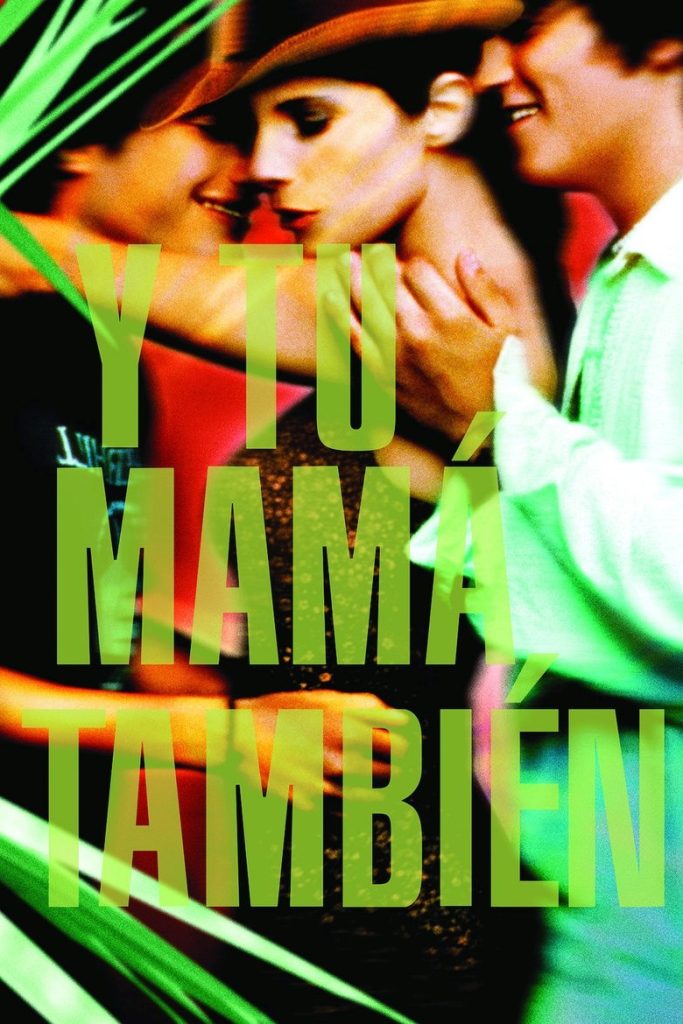
Y Tu Mamá También is a 2001 Mexican drama and romance film. It follows two teenage boys who embark on a road trip with an older woman, exploring themes of friendship, sexuality, and coming of age. The journey becomes a transformative experience that challenges their perspectives on life and relationships.
Parent Guide
This R-rated film contains mature content including explicit sexual situations, nudity, strong language, and drug use. It explores complex themes of sexuality, friendship, and coming of age in a realistic manner. Recommended for mature audiences only.
Content breakdown
Some tense moments and emotional conflicts between characters, but no graphic violence.
Contains emotionally intense scenes and mature themes that may be disturbing to younger viewers.
Frequent strong language and sexual references throughout the film.
Explicit sexual content, nudity, and mature sexual themes are central to the plot.
Characters drink alcohol and use drugs during the film.
Explores complex emotions related to friendship, sexuality, and personal growth.
Parent tips
This film is rated R primarily for strong sexual content, nudity, language, and some drug use. It is intended for mature audiences due to its explicit themes and realistic portrayal of adolescent experiences. Parents should be aware that the movie deals with adult subject matter that may not be suitable for younger viewers.
Parent chat guide
Parent follow-up questions
- What was your favorite part of the movie?
- Did you see any cars in the movie?
- What colors did you notice most?
- Was there any music you liked?
- Did the characters seem happy or sad?
- What did you think about the friends in the movie?
- How do you think traveling changes people?
- What makes a good friendship?
- Have you ever been on a long car ride?
- What would you pack for a road trip?
- How did the characters' relationship change during their trip?
- What did you learn about friendship from this movie?
- How do people grow and change through experiences?
- What responsibilities come with growing up?
- How can journeys teach us about ourselves?
- How does the film portray the transition from adolescence to adulthood?
- What themes about identity and self-discovery did you notice?
- How do the characters' choices reflect their personal values?
- What commentary does the film make about social class and privilege?
- How does the road trip serve as a metaphor for personal growth?
🎭 Story Kernel
At its core, 'Y Tu Mamá También' is about the collision between youthful, performative bravado and the sobering reality of mortality. The journey isn't about sexual conquest, but about the characters confronting the fragile, constructed nature of their identities. Tenoch and Julio's friendship, built on a foundation of shared privilege and machismo, is the central subject. Their rivalry for Luisa's attention is a test of this bond. Luisa herself is not a prize but a catalyst and a mirror; her terminal illness and grief expose the boys' adolescent posturing as a temporary, fragile shelter from the inevitable complexities and losses of adult life. The film argues that coming-of-age is less about gaining something than about losing the illusion of permanence.
🎬 Visual Aesthetics
Cuarón's visual language is deceptively simple, rooted in a handheld, documentary-like realism that grounds the hedonistic road trip. The color palette is saturated with the dusty yellows and greens of the Mexican countryside, making the occasional, stark cuts to the ocean's blue feel like revelations. The camera often lingers in spaces after characters exit, emphasizing the environments that contain and contextualize their dramas. Most crucially are the narrator's cutaways—brief, omniscient vignettes that detail the immediate future or past of a random bystander or location. These interruptions shatter the protagonists' self-absorbed narrative, constantly reminding us of a larger, indifferent world humming with its own tragedies and continuities just outside their frame.
🔍 Details & Easter Eggs
💡 Behind the Scenes
The film's raw, naturalistic feel was achieved through extensive improvisation within a structured screenplay. Gael García Bernal and Diego Luna, close friends in real life, drew on their own dynamic, which adds palpable authenticity to their on-screen friendship. The iconic sex scene in the water was not scripted but emerged from an improvisational exercise between the actors and Maribel Verdú. Notably, the omniscient narrator is voiced by director Alfonso Cuarón himself. The production faced significant challenges, including shooting without official permits in many locations, which contributed to its guerrilla, on-the-road aesthetic.
Where to watch
Choose region:
- Netflix
- AMC+ Amazon Channel
- Netflix Standard with Ads
- Amazon Video
Trailer
Trailer playback is unavailable in your region.