
Yeh Ballet (2020)
Story overview
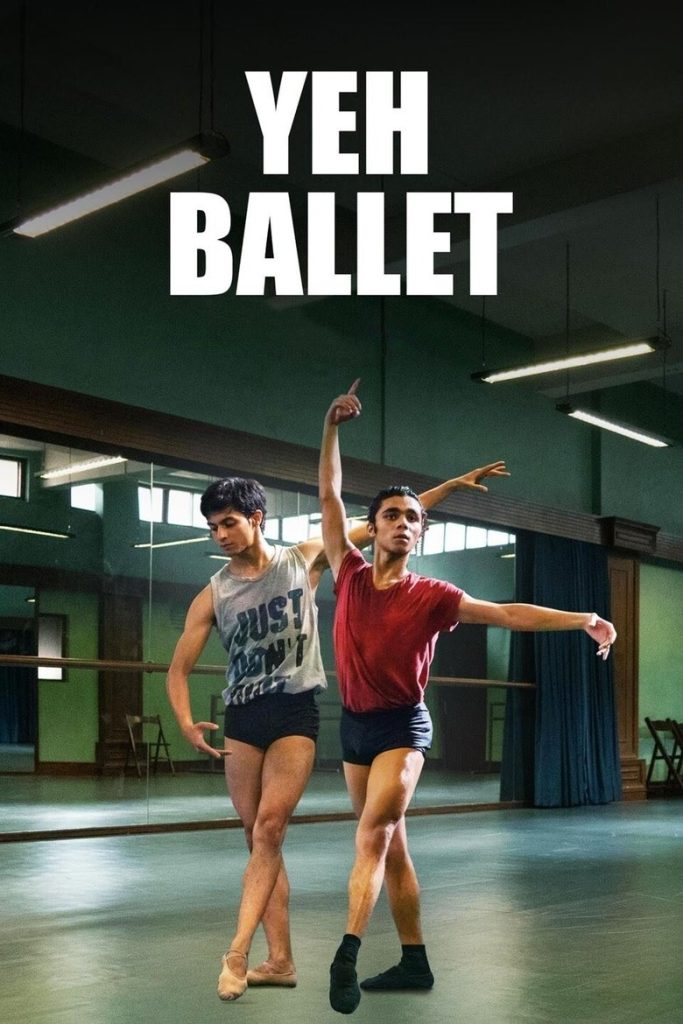
Yeh Ballet is a 2020 drama film that tells an inspiring story about two underprivileged boys from Mumbai who discover ballet and pursue their dreams against societal and economic odds. The film explores themes of perseverance, cultural barriers, and the transformative power of art. It follows their journey as they navigate challenges while striving to excel in a discipline typically associated with privilege.
Parent Guide
A family-friendly drama with uplifting themes suitable for children 8+, focusing on perseverance and breaking barriers.
Content breakdown
No violence or perilous situations.
Nothing scary or disturbing; themes are handled gently.
No strong or offensive language expected in this type of drama.
No sexual content or nudity.
No substance use depicted.
Mild emotional moments related to struggles and discrimination, but overall positive and inspiring.
Parent tips
This film is suitable for family viewing with children approximately 8 years and older. It presents positive messages about determination, breaking stereotypes, and following one's passion despite obstacles. Parents may want to discuss the socioeconomic realities portrayed and how they affect the characters' opportunities.
The film contains mild emotional intensity as characters face discrimination and financial struggles, but these are handled in an age-appropriate manner. There are no concerning elements like violence, strong language, or mature content, making it accessible for most children who can engage with stories about overcoming adversity.
Consider watching together to talk about the cultural aspects and how the boys challenge traditional gender roles by pursuing ballet. The film's uplifting tone and focus on hard work provide good conversation starters about pursuing unconventional paths.
Parent chat guide
Talk about the idea of breaking stereotypes—why might ballet be seen as unusual for these characters, and what does their journey say about trying new things? You can relate this to experiences in your child's life where they've tried something different or faced skepticism.
Encourage reflection on the support systems in the film, like mentors and friends, and how they help the protagonists. Discuss the importance of having people who believe in you and how your child can be that support for others.
Parent follow-up questions
- What was your favorite part of the movie?
- How did the boys feel when they danced?
- What colors or music did you like?
- Can you show me a dance move you saw?
- What made the boys happy?
- Why do you think ballet was special for the boys?
- How did they help each other learn?
- What challenges did they face, and how did they solve them?
- What does it mean to 'not give up'?
- How did their teacher support them?
- How did the boys' backgrounds affect their opportunities?
- What stereotypes about ballet did the film address?
- Why is it important to pursue your passions even when it's hard?
- How did the characters show courage?
- What role did community play in their success?
- How does the film portray socioeconomic barriers to the arts?
- What broader messages about gender and culture does it convey through ballet?
- How realistic do you find the characters' journeys, and why?
- What does the film say about mentorship and its impact?
- How might this story inspire you in your own goals?
🎭 Story Kernel
At its core, 'Yeh Ballet' is less about mastering pliés and more about the radical act of claiming space. The film explores how Nishu and Asif use ballet—a traditionally elite, Western art form—as a tool to physically and metaphorically escape the confines of their predetermined lives in Mumbai's slums. Their drive isn't just for artistic expression; it's a desperate, embodied protest against social gravity. The real antagonist is systemic inertia—poverty, familial expectations, and cultural disapproval—that tries to keep their bodies grounded. The ballet becomes their language of defiance, each leap a silent scream against a world that tells them they belong on the ground, not en pointe.
🎬 Visual Aesthetics
The film's visual language masterfully contrasts confinement and flight. The slums are shot with a handheld, gritty realism—tight frames, chaotic backgrounds, and a palette dominated by dust and concrete. In stark contrast, the ballet studio and stage sequences open up. The camera finds fluid, sweeping movements, the color palette introduces clean whites and blues, and the lighting becomes dramatic and sculptural, highlighting the dancers' forms. This isn't just aesthetic; it's thematic. The camera itself seems to breathe more freely when the boys dance, visually translating their internal liberation. The chaotic, vibrant energy of the streets is sometimes mirrored in their dance, creating a unique fusion vocabulary on screen.
🔍 Details & Easter Eggs
💡 Behind the Scenes
The film is based on the true stories of Indian ballet dancers Manish Chauhan and Amiruddin Shah, discovered by teacher Yehuda Maor. Actor Achintya Bose, who plays Nishu, had no prior dance training and underwent an intensive six-month ballet bootcamp. Key slum scenes were filmed in Mumbai's Worli Koliwada and Bandra areas, with the production navigating real locations to capture authentic textures. The choreography aimed to blend classical ballet with the actors' natural, raw physicality, rather than forcing perfect technical form, to preserve the story's emotional truth.
Where to watch
Choose region:
- Netflix
- Netflix Standard with Ads
Trailer
Trailer playback is unavailable in your region.