
Yellow Door: ’90s Lo-fi Film Club (2023)
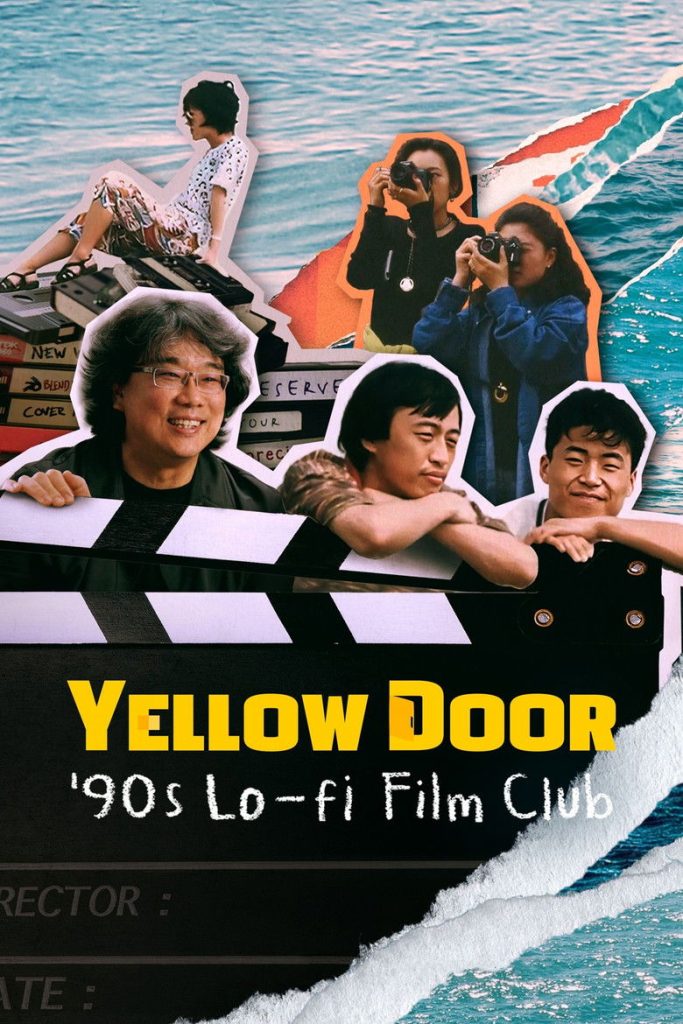
Story overview
This 2023 South Korean documentary offers an intimate look at the passionate film culture of 1990s South Korea, focusing on young cinephiles and their grassroots movie clubs. It features director Bong Joon Ho and other notable figures reflecting on their early cinematic experiences, capturing the lo-fi, DIY spirit of that era through personal stories and archival footage.
Parent Guide
A gentle, reflective documentary about film culture that's appropriate for most families with children ages 8+. The TV-14 rating appears conservative given the content.
Content breakdown
No violence or peril depicted. The documentary focuses entirely on film discussion, archival footage, and personal reflections.
Nothing scary or disturbing. Some brief clips from classic films might show mild tension but nothing alarming.
Subtitled Korean dialogue. No strong language expected given the documentary's educational tone and cultural context.
No sexual content or nudity. The documentary focuses on film analysis and personal stories.
No depiction or discussion of substance use. Social gatherings shown involve casual conversation about movies.
Mild emotional moments as filmmakers reflect nostalgically on their youth and artistic beginnings. Some passionate discussions about cinema that convey dedication but not intensity.
Parent tips
This documentary is suitable for most families with children ages 8 and up. It's a thoughtful exploration of film history and passion that may inspire young movie enthusiasts. Parents should note the TV-14 rating primarily reflects mature themes in discussion rather than explicit content. The documentary's pace is deliberate, which might require patience from younger viewers. Consider watching together to discuss the cultural context and artistic dedication shown.
Parent chat guide
Parent follow-up questions
—
- What was your favorite part of the movie?
- Did you see any cameras or film equipment in the documentary?
- What kind of movies do you think these filmmakers liked to watch?
- Why do you think people in the 1990s had to work so hard to watch and make movies?
- What qualities do you think make someone a good filmmaker?
- How is watching movies today different from how they watched them in the documentary?
- How does this documentary challenge or reinforce your understanding of film culture in South Korea?
- What connections can you draw between the DIY filmmaking shown here and modern content creation?
- How does this exploration of artistic passion relate to your own interests or career considerations?
🎭 Story Kernel
The documentary explores the formative years of South Korea's first generation of cinephiles through the lens of the Yellow Door Film Club. It centers on the collective memory of a group of university students in the early 1990s who shared a feverish passion for cinema during a period of rapid political and cultural transition. At its heart, the film is an investigation into the lost first work of Bong Joon-ho, a stop-motion short titled Looking for Paradise. However, the narrative transcends simple biography; it captures the essence of a DIY film culture where young enthusiasts studied Western cinema frame-by-frame using bootleg VHS tapes. It expresses the purity of artistic pursuit before commercial success, illustrating how a small, cramped room became the crucible for a cinematic revolution that would eventually conquer the global stage.
🎬 Visual Aesthetics
Lee Hyuk-rae employs a collage-like aesthetic that mirrors the lo-fi nature of the era it depicts. The film blends contemporary interviews with grainy archival footage, personal photographs, and charmingly crude animations that recreate the club's shared history. The cinematography in the interview segments is clean and modern, providing a stark contrast to the low-resolution, flickering textures of the 1990s media. This visual dichotomy emphasizes the passage of time and the evolution of the medium from magnetic tape to digital clarity. The use of sketches and floor plans to reconstruct the physical space of the Yellow Door office serves as a powerful spatial metaphor for memory, grounding the abstract nostalgia in a tangible, albeit vanished, physical reality.
🔍 Details & Easter Eggs
💡 Behind the Scenes
The documentary was directed by Lee Hyuk-rae, who was himself a member of the Yellow Door Film Club, providing an intimate, insider perspective on the group's dynamics. It features prominent figures of the Korean film industry who were part of the club, including Bong Joon-ho and cinematographer Kim Hyoung-kyu. A significant portion of the production involved tracking down the original members to recount their memories of seeing Bong's first film, which had not been seen by the public for nearly 30 years. The film highlights the transition from political activism to the purely aesthetic obsession of the 90s youth.
Where to watch
Choose region:
- Netflix
- Netflix Standard with Ads
Trailer
Trailer playback is unavailable in your region.