
Yellowstone Cubs (1963)
Story overview
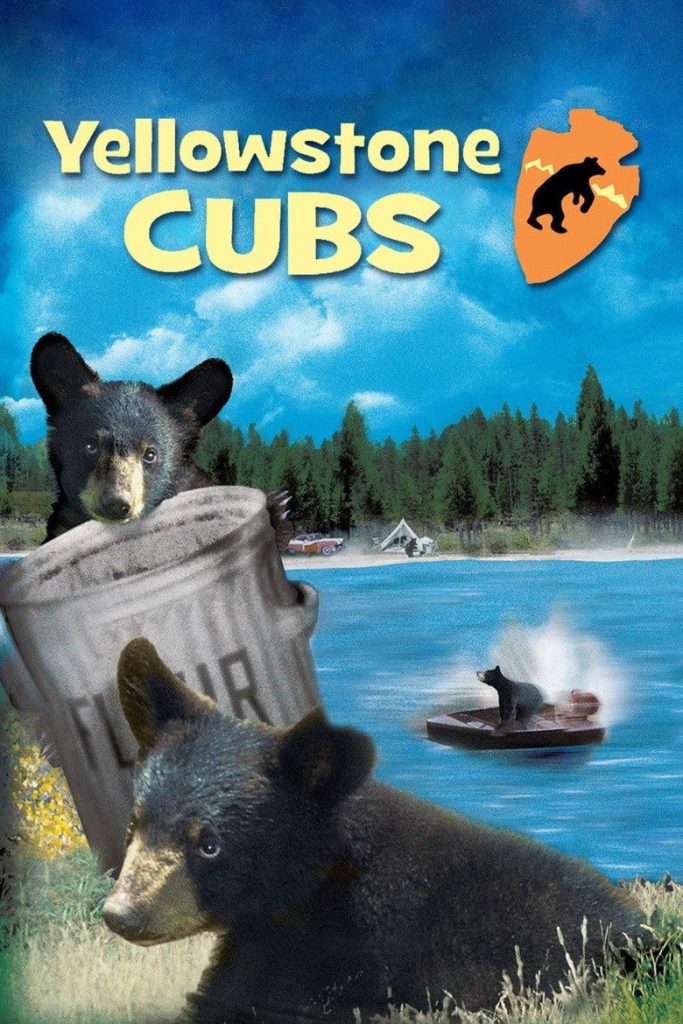
Yellowstone Cubs is a 1963 family comedy that follows two bear cubs, Tuffy and Tubby, as they explore Yellowstone National Park after being separated from their mother. The film depicts their playful adventures through the park's natural landscapes while their mother searches for them. This gentle story focuses on the cubs' innocent experiences and the mother's determination to reunite with her offspring.
Parent Guide
A gentle family film about bear cubs exploring nature, suitable for most children with minimal concerning content.
Content breakdown
No actual violence; mild peril from the cubs being separated from their mother in wilderness settings.
Separation theme might be slightly concerning for very young viewers, but handled gently.
No concerning language; family-appropriate dialogue throughout.
No sexual content or nudity; animals are depicted naturally.
No substance use depicted.
Mild emotional moments related to separation and reunion, but overall lighthearted tone.
Parent tips
This film is appropriate for most children, featuring mild animal adventures without significant peril. Parents should note that the separation theme might be slightly emotional for very young or sensitive viewers, though the story remains gentle throughout. The 48-minute runtime makes it suitable for shorter attention spans, and the Approved certification indicates it meets family-friendly standards of its era.
Parent chat guide
Parent follow-up questions
- What was your favorite part about the bear cubs?
- How do you think the mother bear felt when she couldn't find her babies?
- What would you do if you saw a bear in a park?
- Why do you think the cubs weren't more scared being alone?
- What did you notice about how the bears interacted with their environment?
- How does this movie show that families care about each other?
- What survival skills did the cubs demonstrate during their adventure?
- How realistic do you think the bears' behavior was compared to real wildlife?
- What message about nature and family does this story convey?
- How does this film's portrayal of wildlife compare to modern nature documentaries?
- What cultural values from 1963 might be reflected in this family film?
- How effectively does the film balance entertainment with depicting animal behavior?
🎭 Story Kernel
At its core, 'Yellowstone Cubs' is less about bear cubs surviving nature and more about Disney's anthropomorphic construction of wilderness narratives. The film's real driver isn't the cubs' instincts but the filmmakers' need to craft a traditional three-act structure from random animal behavior. We watch as natural occurrences—a cub wandering off, a mother fishing—are framed through human dramatic conventions: the 'rebellious' cub, the 'teaching moment,' the 'perilous journey.' The tension comes from this artificial narrative imposition onto authentic animal lives, making us question whether we're watching nature or nature-as-entertainment.
🎬 Visual Aesthetics
The cinematography employs two distinct visual languages that often clash. For 'cute' moments—cubs tumbling or nursing—the camera uses soft focus, warm golden-hour lighting, and intimate close-ups reminiscent of family photography. For 'danger' sequences—encounters with other predators or harsh weather—the film switches to dramatic wide shots, desaturated colors, and quicker cuts that mimic action cinema. This visual dichotomy exposes the documentary's manipulative framework: it aestheticizes wilderness according to human emotional templates rather than presenting ecological reality.
🔍 Details & Easter Eggs
💡 Behind the Scenes
Filmed in Yellowstone National Park over two years, the production faced significant ethical scrutiny. The 'abandoned cub' storyline emerged when one cub genuinely wandered during filming, but crews controversially didn't intervene per Disney's 'no interference' policy that prioritized dramatic footage over animal welfare. The narrator, Rex Allen, recorded his folksy commentary in a studio months later, often describing actions he never actually witnessed. Several scenes used trained bears from a California animal facility when wild bears proved uncooperative, blending documentary and staged footage without disclosure.
Where to watch
Choose region:
- Disney Plus
- Fandango At Home
- Amazon Video
- Google Play Movies
- YouTube