Yintah (2024)
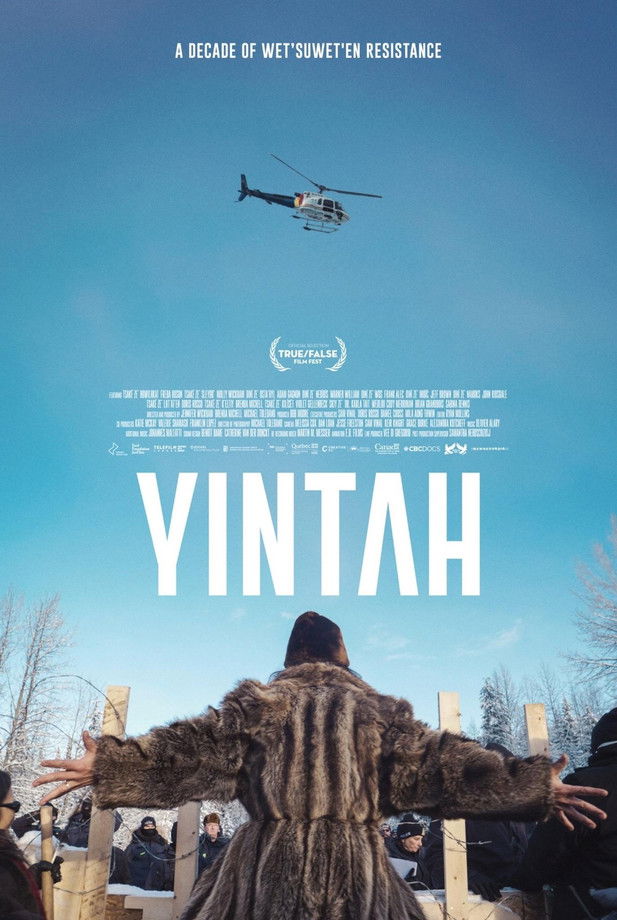
Story overview
Yintah is a 2024 documentary-drama film that explores significant themes through real-life stories and dramatic reenactments. The film has received an R rating, indicating content that may be unsuitable for younger viewers. As a documentary-drama hybrid, it likely presents serious subject matter through both factual and narrative approaches.
Parent Guide
This R-rated documentary-drama contains mature content that requires parental guidance for viewers under 17. The film likely addresses serious themes through both factual documentation and dramatic storytelling.
Content breakdown
Documentary-drama may include depictions of real-world conflicts or dangerous situations
May contain disturbing real-life content or intense dramatic scenes
R rating suggests potentially strong language may be present
Documentary content may include discussions or depictions of adult themes
May include references to or depictions of substance use in real-world contexts
Documentary-drama format can create emotionally powerful experiences
Parent tips
This film carries an R rating, which means it contains material that may be inappropriate for viewers under 17 without parental guidance. The documentary-drama format suggests it deals with real-world issues that could be emotionally challenging or contain mature content. Parents should preview this film or research its specific content before deciding if it's appropriate for their family.
Parent chat guide
Parent follow-up questions
- What did you see in the movie that was real?
- How did the people in the movie feel?
- What was something new you learned?
- What was the main message of this documentary?
- How did the dramatic parts help tell the real story?
- What questions do you have about what you saw?
- What techniques did the filmmakers use to tell this story?
- Why do you think this topic was important to document?
- How did the documentary format affect how you received the information?
- What perspectives were presented in this documentary-drama?
- How did the blending of documentary and drama affect the film's impact?
- What ethical considerations might arise when telling real stories through film?
🎭 Story Kernel
Yintah is a profound exploration of the Wet’suwet’en people’s resistance against the Coastal GasLink pipeline in British Columbia. At its core, the film is not merely an environmental documentary but a rigorous examination of Indigenous sovereignty and the enduring power of ancestral law. It follows leaders like Howilhkat Freda Huson and Sleydo’ Molly Wickham as they defend their unceded territory from industrial encroachment and state intervention. The narrative spans over a decade, illustrating the shift from peaceful re-occupation to high-stakes confrontation with militarized police. It expresses the fundamental truth that for the Wet’suwet’en, the 'Yintah' (the land) is inseparable from their identity, health, and future. The film masterfully articulates the clash between colonial property concepts and an ancient, living relationship with the earth, framing the struggle as an existential necessity rather than a political choice.
🎬 Visual Aesthetics
The visual language of Yintah is defined by a striking contrast between the sublime stillness of the Canadian wilderness and the chaotic, mechanical violence of industrial expansion. Cinematographer Michael Toledano utilizes sweeping drone shots to establish the vast, interconnected ecosystem of the territory, making the land itself the film’s most vital character. These serene vistas are frequently interrupted by the jarring presence of yellow excavators and the tactical gear of the RCMP. The use of intimate, handheld camerawork during police raids creates a visceral sense of urgency and claustrophobia, placing the viewer directly behind the barricades. The color palette shifts from the lush, natural greens and deep blues of the river to the sterile, high-visibility oranges and metallic greys of the construction sites, visually reinforcing the theme of a natural world under siege by artificial forces.
🔍 Details & Easter Eggs
💡 Behind the Scenes
Yintah was filmed over a period of more than ten years, representing an extraordinary commitment to long-form documentary filmmaking. Co-directors Jennifer Wickham and Brenda Michell are members of the Gidimt’en Clan, which allowed the production unprecedented access and ensured the narrative remained rooted in an authentic Indigenous perspective. Michael Toledano, the third director, lived on the territory for years to capture the unfolding events. The film received significant acclaim on the festival circuit, notably winning the Rogers Audience Award for Best Canadian Documentary at the 2024 Hot Docs International Documentary Festival before its global release on Netflix.
Where to watch
Choose region:
- Netflix
- Netflix Standard with Ads
Trailer
Trailer playback is unavailable in your region.