
You Are Not Alone: Fighting the Wolf Pack (2024)
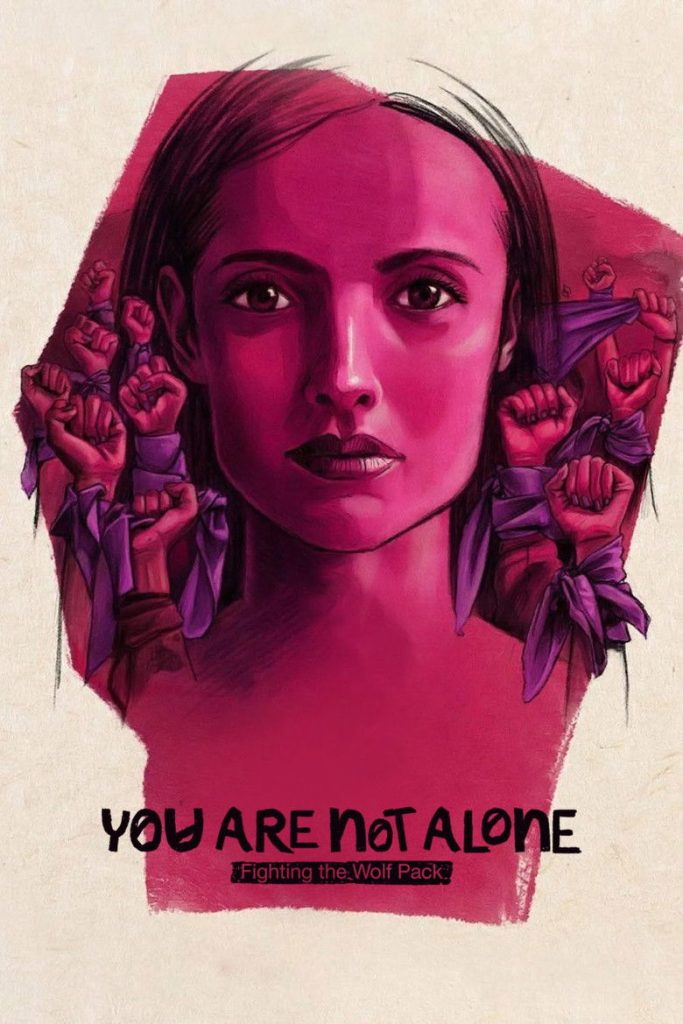
Story overview
This Spanish documentary examines the 2016 gang rape case during the San Fermín festival that ignited global protests, using testimonies to explore the crime and its societal impact.
Parent Guide
A hard-hitting documentary about a real-life gang rape case, featuring intense testimonies and discussions of sexual violence. Recommended only for mature audiences 17+.
Content breakdown
Descriptions of gang rape and physical assault are graphic and detailed, though no visual reenactments are shown. The peril involves real criminal acts and trauma.
Extremely disturbing due to the subject matter: sexual violence, victim trauma, and societal injustice. May cause anxiety or distress.
May include strong language related to the crime and emotional testimonies, but not excessive. Subtitled from Spanish.
Explicit discussions of sexual assault and rape; no nudity or sexual acts depicted, but content is graphic and mature.
Mentions of alcohol use at the festival context, but not a focus.
High emotional intensity from survivor testimonies, anger, fear, and societal outrage. Can be overwhelming.
Parent tips
This documentary deals with sexual violence and trauma; it is not suitable for children under 17. For mature teens, watch together to discuss consent, justice, and survivor support. Be prepared for emotional intensity and graphic descriptions.
Parent chat guide
Parent follow-up questions
—
—
—
- What did you learn about consent from this film?
- How do you think society should respond to such crimes?
- What can individuals do to prevent sexual violence?
🎭 Story Kernel
The film transcends the true-crime genre to explore a pivotal shift in Spanish societal consciousness. It dissects the 2016 'La Manada' (Wolf Pack) gang rape case not as an isolated incident, but as a symptom of institutionalized machismo and judicial inadequacy. By weaving together the Pamplona assault, the Pozoblanco case, and the legacy of Nagore Laffage, the documentary illustrates the evolution from victim-blaming to the 'Cuéntalo' movement. It highlights the judicial system's initial failure to recognize intimidation, which sparked a national outcry. The core theme is the reclamation of narrative—shifting the focus from the perpetrators' actions to the survivors' resilience and the solidarity of millions who marched under the banner 'No estás sola.' It is a profound study of how collective grief and rage can dismantle archaic legal definitions and force a nation to redefine the meaning of consent.
🎬 Visual Aesthetics
Directors Carracedo and Bahar employ a deliberate, respectful aesthetic that prioritizes the victims' anonymity while maintaining emotional intimacy. The cinematography avoids sensationalism, utilizing atmospheric B-roll—empty streets, sterile courtroom corridors, and the crowded San Fermín festivities—to create a haunting sense of place. A key visual strategy involves the 're-enactment' of testimonies through voice-overs by actresses, paired with evocative, non-explicit imagery that respects the survivors' trauma. The archival footage of massive street protests provides a stark visual counterpoint to the claustrophobic legal battles, using the scale of the crowds to represent the weight of public sentiment. The editing is surgical, bridging past and present to ensure the victims' words remain the central, guiding force. This visual restraint ensures the focus remains on the psychological and societal impact rather than the graphic details of the crimes.
🔍 Details & Easter Eggs
💡 Behind the Scenes
Directors Almudena Carracedo and Robert Bahar spent over three years conducting secret interviews and researching the case to ensure accuracy and sensitivity. They are the acclaimed duo behind the Goya and Emmy-winning documentary 'The Silence of Others,' which dealt with the legacy of the Franco dictatorship. The production involved analyzing over 60 hours of interviews and a deep dive into thousands of pages of legal documents and archival footage. The film's release in 2024 followed the real-world legislative shift in Spain known as the 'Only Yes Means Yes' law, which was a direct consequence of the protests depicted.
Where to watch
Choose region:
- Netflix
- Netflix Standard with Ads