
You Don’t Know Jack (2010)
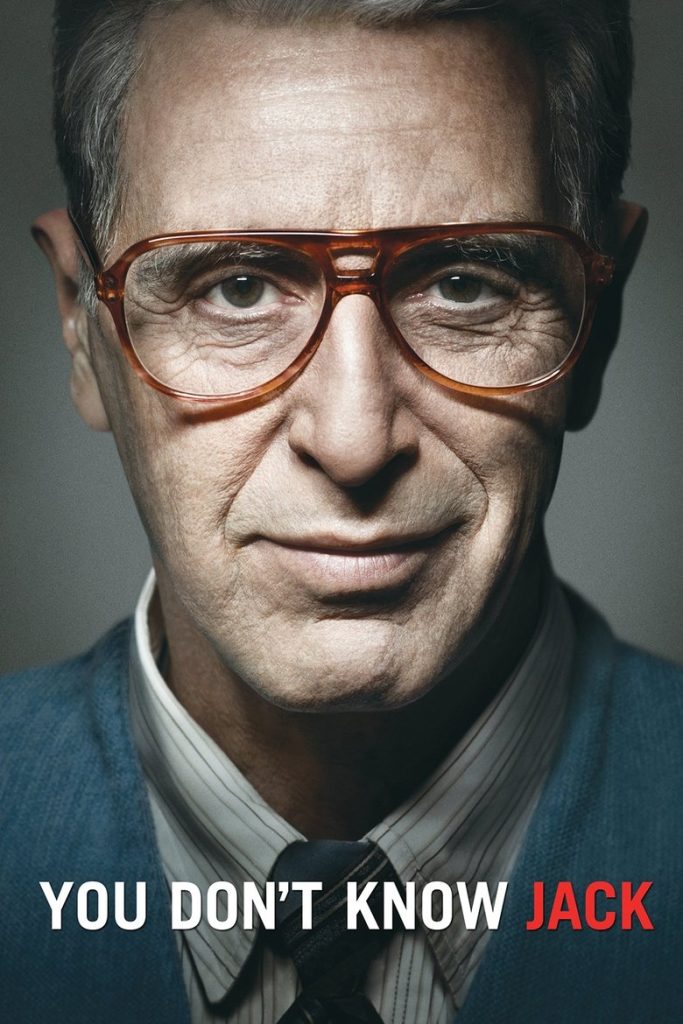
Story overview
You Don't Know Jack is a 2010 TV movie drama based on historical events. It explores complex ethical and legal themes through a biographical lens. The film presents mature subject matter appropriate for older audiences.
Parent Guide
Mature historical drama with complex ethical themes suitable for older teens with parental guidance.
Content breakdown
May contain tense situations related to historical events but no graphic violence.
Deals with serious historical and ethical topics that may be emotionally challenging.
May contain occasional mature language consistent with TV-14 rating.
No sexual content or nudity expected in this type of historical drama.
No substance use depicted based on the genre and rating.
Explores weighty ethical dilemmas and historical events that may provoke strong emotional responses.
Parent tips
This TV-14 rated film deals with serious historical and ethical topics that may be challenging for younger viewers. Parents should preview the content to determine if it aligns with their family's values and their child's maturity level. Consider watching together to provide context and discuss the themes presented.
Parent chat guide
Parent follow-up questions
- What was your favorite part of the movie?
- Can you tell me about one character you remember?
- What colors or sounds did you notice?
- Was there anything that made you feel happy?
- What would you like to ask about the movie?
- What do you think the movie was mainly about?
- How did the characters solve their problems?
- What did you learn from this story?
- Which character made the best decisions and why?
- How did the music help tell the story?
- What historical period does this movie represent?
- What ethical questions did the movie raise?
- How did the filmmakers make historical events engaging?
- What would you have done differently than the main character?
- How does this movie compare to other historical dramas you've seen?
- What societal issues does this film address that are still relevant today?
- How does the film balance historical accuracy with dramatic storytelling?
- What perspectives on ethics and morality does the film present?
- How does the TV movie format affect how the story is told?
- What research might you do to learn more about the real events portrayed?
🎭 Story Kernel
The film explores the fundamental tension between individual autonomy and societal control over death. Dr. Jack Kevorkian isn't driven by a messiah complex but by a physician's frustration with a medical establishment that prolongs suffering while denying patients agency over their final exit. The real conflict isn't about whether assisted suicide is right or wrong, but about who gets to decide when suffering becomes meaningless—the person experiencing it or the legal system watching from a distance. The courtroom scenes reveal how society prefers the illusion of control through prohibition rather than the messy reality of compassionate choice.
🎬 Visual Aesthetics
The cinematography employs a muted, almost clinical palette that mirrors the sterile hospital environments where much suffering occurs. Close-ups on Al Pacino's face capture every nuance of Kevorkian's weary determination, while wider shots often isolate him in frames, visually representing his outsider status. The 'Mercy Machine' itself is shot with utilitarian clarity—no dramatic lighting, just a stark medical device. Courtroom scenes use symmetrical compositions that emphasize the rigid structure of the law Kevorkian challenges, contrasting with the more intimate, asymmetrical framing of his home consultations.
🔍 Details & Easter Eggs
💡 Behind the Scenes
Al Pacino studied hours of real footage of Kevorkian to master his distinctive speech patterns and physical mannerisms. The film's director, Barry Levinson, intentionally cast several actors who had worked with Pacino before to create naturalistic ensemble chemistry. Most courtroom dialogue was taken directly from trial transcripts rather than being dramatized, and the production consulted with Kevorkian himself during filming, though he had no creative control over the final product.
Where to watch
Choose region:
- HBO Max
- HBO Max Amazon Channel
- Amazon Video
- Apple TV
- Google Play Movies
- YouTube
- Fandango At Home
Trailer
Trailer playback is unavailable in your region.