
Young Black Stallion (2003)
Story overview
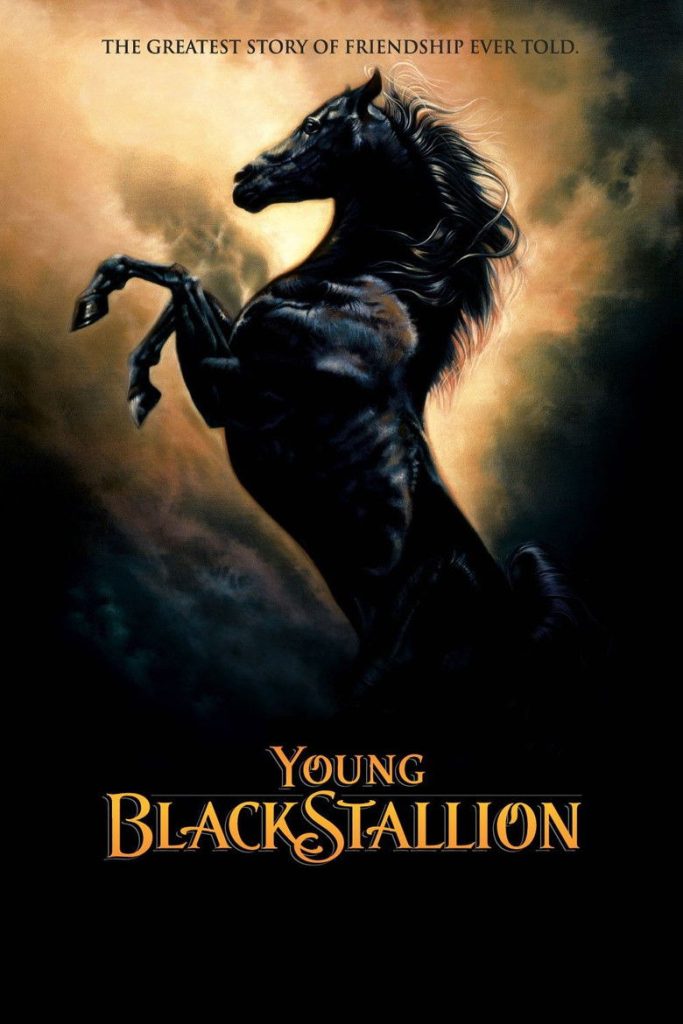
In this 2003 family adventure film directed by Simon Wincer, young Neera becomes separated from her family in the desert and forms a bond with a wild colt. Together they navigate the challenges of the desert, developing friendship and trust as they journey to reunite with her family, only to discover they face losing everything.
Parent Guide
A gentle family adventure suitable for all ages with positive messages about friendship, trust, and perseverance.
Content breakdown
Mild peril from being lost in the desert and family facing potential loss of home. No physical violence or aggressive behavior.
Separation from family and desert survival situations might be mildly concerning for very sensitive young children, but resolved positively.
No offensive language or inappropriate dialogue.
No sexual content, romance, or nudity.
No depiction of alcohol, drugs, or smoking.
Emotional moments related to separation and family challenges, but overall uplifting tone with happy resolution.
Parent tips
This G-rated film is appropriate for all ages with minimal concerning content. The desert setting and separation from family may be mildly stressful for very young viewers, but themes of friendship, perseverance, and family bonds are positive. The 49-minute runtime makes it accessible for younger attention spans.
Parent chat guide
Parent follow-up questions
- What was your favorite animal in the movie?
- How did Neera feel when she was lost?
- What made the horse and Neera become friends?
- What challenges did Neera face in the desert?
- How did trusting the colt help them both?
- What does this story teach us about helping others?
- What survival skills did Neera demonstrate?
- How does the film show the bond between humans and animals?
- What would you have done differently in Neera's situation?
- How does the desert setting symbolize Neera's emotional journey?
- What cultural elements did you notice in the film?
- How does this story relate to broader themes of resilience and home?
🎭 Story Kernel
At its core, 'Young Black Stallion' is less about taming a wild horse and more about two outcasts forging identity through mutual recognition. The film expresses that true belonging isn't inherited but earned through shared hardship and silent understanding. Neera, an orphaned girl, and the black stallion, separated from his herd, are both defined by loss. What drives them isn't a desire for dominance, but a profound need for a family of choice. Their journey across the Namibian desert becomes a ritual of purification, where survival depends on shedding societal expectations—Neera's prescribed role, the horse's untamed reputation—to discover a partnership built on respect, not submission.
🎬 Visual Aesthetics
The film's visual language is a masterclass in scale and intimacy. Cinematographer Reed Smoot uses sweeping, low-angle shots to make the desert landscapes feel both majestic and imprisoning, mirroring the characters' emotional isolation. The color palette is deliberately stark: bleached golds and deep blacks dominate, making moments of connection—like the first touch between Neera and the stallion—visually explosive in their simplicity. The action is framed not as spectacle but as natural consequence; the horse's movements are captured with a documentary-like reverence, emphasizing raw power over choreography. Recurring shots of single tracks in vast sand symbolize the fragile, singular path of their bond.
🔍 Details & Easter Eggs
💡 Behind the Scenes
The film was shot almost entirely on location in Namibia, with the harsh desert conditions dictating the production schedule. The young stallion, played by a horse named Cass Ole, was actually a seasoned actor who had appeared in several films prior. Notably, there is no dialogue for the first 20 minutes—a deliberate directorial choice to force the narrative to be carried by visuals and score, composed by cinematographer Reed Smoot's frequent collaborator, William Ross. Actress Biana Tamimi performed many of her own stunts after extensive horse training.
Where to watch
Choose region:
- Disney Plus
- Amazon Video
- Apple TV Store
- Google Play Movies
- YouTube
- Fandango At Home
Trailer
Trailer playback is unavailable in your region.