
Young Woman and the Sea (2024)
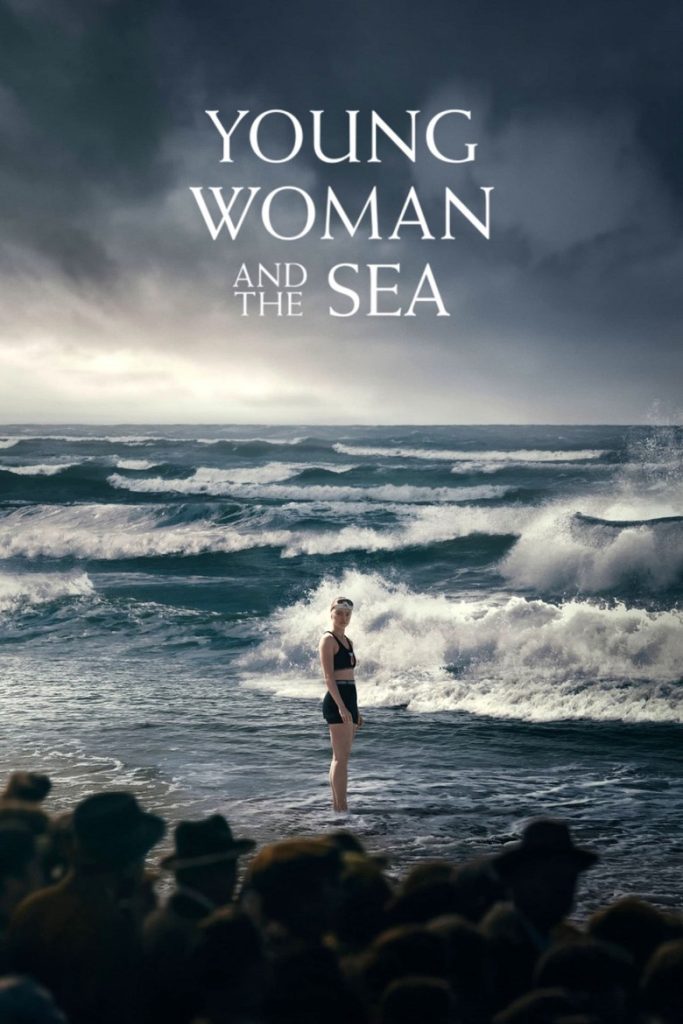
Story overview
Young Woman and the Sea is a 2024 historical drama film. It follows the inspiring journey of a determined young woman who faces challenges and overcomes obstacles. The story highlights themes of perseverance, courage, and personal growth in a historical setting. This PG-rated film offers an uplifting narrative suitable for family viewing.
Parent Guide
A historical drama with positive themes suitable for family viewing with parental guidance for younger children.
Content breakdown
May include historical challenges or tense situations typical of the genre.
Some dramatic moments or historical hardships could be emotionally affecting for sensitive viewers.
No concerning language expected given the PG rating and historical drama genre.
No sexual content or nudity expected in this type of historical drama.
No substance use expected given the PG rating and historical setting.
Contains emotional moments related to personal struggles and historical challenges.
Parent tips
This historical drama presents positive themes of determination and resilience that can inspire young viewers. Parents may want to discuss how historical contexts differ from modern times and the importance of perseverance in achieving goals. The PG rating suggests some material may not be suitable for younger children, so previewing or watching together is recommended.
Parent chat guide
Parent follow-up questions
- What was your favorite part of the movie?
- How did the main character feel when she faced challenges?
- What did you learn about being brave?
- Can you draw a picture of something from the movie?
- What would you do if you faced a big challenge like the character did?
- What challenges did the main character face and how did she overcome them?
- What historical elements did you notice in the film?
- How did the character show courage throughout the story?
- What would you have done differently in her situation?
- What lessons about perseverance did you learn from this film?
- How does this historical drama compare to other period films you've seen?
- What societal barriers might the character have faced in her time period?
- How did the film balance historical accuracy with storytelling?
- What character traits were most important for her success?
- How might this story inspire people facing challenges today?
- How does this film contribute to our understanding of historical gender roles?
- What cinematic techniques were used to convey the character's emotional journey?
- How does the film's historical context influence its themes and messages?
- What contemporary relevance does this historical story hold?
- How might different directors have approached this biographical material?
🎭 Story Kernel
The film transcends the typical sports biopic by framing Gertrude 'Trudy' Ederle’s 1926 swim across the English Channel not just as an athletic feat, but as a systematic dismantling of early 20th-century gender barriers. It explores the psychological weight of being told 'no' by every institution—from her own father to the Olympic committee. The narrative centers on the reclamation of female agency through physical suffering and resilience. It’s a story about the transition from a world that viewed women as fragile ornaments to one that had to reckon with their undeniable strength. The core is the internal fire required to ignore the chorus of doubters and the literal freezing currents of the Channel, illustrating that the greatest distance traveled wasn't the twenty-one miles of water, but the leap from societal expectation to personal liberation.
🎬 Visual Aesthetics
Joachim Rønning utilizes a palette that shifts from the warm, sepia-toned constraints of 1920s New York to the cold, unforgiving cerulean of the open sea. The cinematography by Oscar Faura captures the ocean as a living, breathing antagonist. The camera often stays at water level, immersing the audience in the disorienting churn of the waves, which serves as a metaphor for Trudy’s social struggle. There is a stark visual contrast between the rigid, vertical lines of the city and the chaotic, horizontal expanse of the Channel. The use of light during the night-swimming sequences—illuminated by the flickering flares of the support boat—creates a haunting, liminal space where Trudy exists between life and death, emphasizing her isolation and the sheer scale of her ambition against the vastness of nature.
🔍 Details & Easter Eggs
💡 Behind the Scenes
Daisy Ridley underwent an intense physical transformation for the role, training for months with open-water swimmers to perform many of her own stunts in the actual sea rather than a controlled tank. This commitment to realism mirrors Ederle’s own grit. Interestingly, the film was originally slated for a direct-to-streaming release on Disney+, but after highly positive test screenings, the studio pivoted to a theatrical window, a rare move that speaks to the film's unexpected emotional resonance. The real Gertrude Ederle’s 1926 record actually beat the existing men’s record by over two hours, a fact the film highlights to cement her legacy.
Where to watch
Choose region:
- Disney Plus
Trailer
Trailer playback is unavailable in your region.