
Zack Snyder’s Justice League (2021)
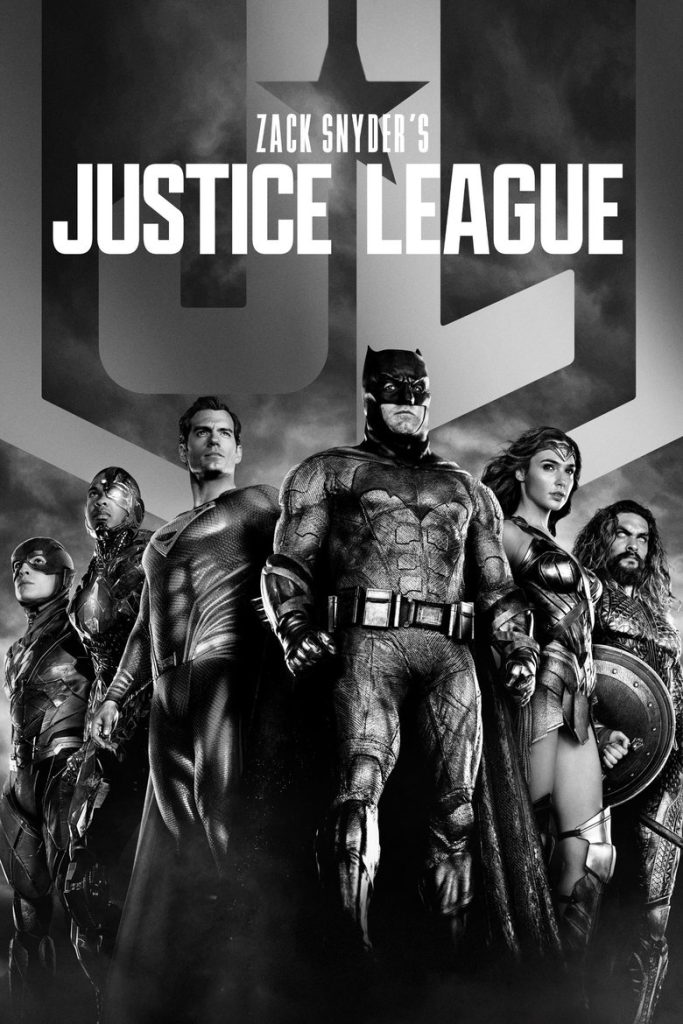
Story overview
Zack Snyder's Justice League is a 2021 superhero film featuring DC Comics characters. Following the death of Superman, Batman and Wonder Woman assemble a team of metahumans to face a catastrophic threat from an alien warlord. The extended runtime allows for deeper character development and more expansive action sequences than the theatrical release. This director's cut presents a darker, more epic vision of the Justice League's formation.
Parent Guide
R-rated superhero film with intense violence, dark themes, and some language. Best for mature teens.
Content breakdown
Frequent intense action sequences with brutal hand-to-hand combat, weapon use, and some blood. Characters face life-threatening peril throughout.
Dark atmospheric tone, monstrous alien creatures, and scenes of destruction may be unsettling for sensitive viewers.
Some mild profanity and occasional stronger language consistent with R-rating.
No sexual content or nudity present.
No substance use depicted.
Sustained tension, themes of loss and sacrifice, and dramatic character moments create high emotional intensity.
Parent tips
This film is rated R primarily for intense violence and some language. At over 4 hours long, it's best viewed in multiple sittings for younger viewers. The dark tone and complex themes make it more suitable for mature tweens and teens rather than young children.
Parents should know this version contains more graphic violence than typical superhero movies, including brutal fight scenes and some blood. The extended runtime also means more sustained tension and peril throughout the story. Consider your child's sensitivity to intense action and dark themes before viewing.
Parent chat guide
For older viewers, you might discuss the director's artistic vision versus studio expectations, using this film as a case study. Ask about which character they related to most and why. Consider comparing this version to other superhero team-up movies they've seen.
Parent follow-up questions
- Which superhero was your favorite?
- What superpower would you want to have?
- How did the heroes help each other?
- What was the funniest part?
- Did anything make you feel scared or happy?
- Why did Batman think he needed help from other heroes?
- What made the different heroes decide to work together?
- How did the characters show bravery in different ways?
- What would you do if you had superpowers?
- Which character learned the most during the story?
- What sacrifices did characters make for the greater good?
- How did the film show that teamwork is stronger than individual effort?
- What responsibilities come with having special abilities?
- How did different characters deal with fear or failure?
- What makes someone a true hero versus just having powers?
- How does this film's tone compare to other superhero movies?
- What themes of redemption or second chances appear in the story?
- How does the extended runtime affect character development?
- What commentary might the film be making about power and responsibility?
- How do the visual and musical choices contribute to the film's atmosphere?
🎭 Story Kernel
Zack Snyder's Justice League is ultimately about resurrection in all its forms—not just Superman's physical return, but the resurrection of hope in a world that's lost it, the resurrection of purpose in heroes who've been broken, and the resurrection of faith in humanity's capacity for good. Every character is driven by loss: Batman by his guilt over Superman's death, Cyborg by his lost humanity, Flash by his father's imprisonment, Wonder Woman by her people's retreat, Aquaman by his divided heritage. The film argues that true heroism emerges not from perfection, but from embracing brokenness and choosing to fight anyway, making the team's victory feel earned through shared trauma rather than mere power.
🎬 Visual Aesthetics
Snyder employs a 4:3 aspect ratio not as nostalgia but as a vertical canvas for gods—framing characters like classical sculptures against mythic skies. The color palette shifts with emotional arcs: desaturated greys dominate Earth's despair, while Themyscira glows in ancient gold and Steppenwolf's Apokolips burns in hellish orange. Action sequences feel like moving paintings—the Amazonian battle against Steppenwolf unfolds in slow-motion tableaux of sacrifice, while the Flash's time-reversal scene uses speed-ramping to visualize hope literally outrunning destruction. Every frame feels intentionally composed, with Snyder's signature chiaroscuro lighting carving heroes from shadows.
🔍 Details & Easter Eggs
💡 Behind the Scenes
The film's infamous production history saw Snyder departing after his daughter's death, with Joss Whedon completing extensive reshoots that lightened the tone. Warner Bros. spent approximately $70 million on Snyder's cut—mostly for new VFX, scoring, and additional photography—after the #ReleaseTheSnyderCut movement dominated social media for three years. Most of Ezra Miller's Flash scenes were reshot to incorporate new visual effects for the Speed Force. The Knightmare sequence was filmed during original production but expanded for this version, with Jared Leto returning as Joker for newly shot material that included improvisation.
Where to watch
Choose region:
- HBO Max
- HBO Max Amazon Channel
- HBO Max Amazon Channel
- Amazon Video
- Apple TV
- Google Play Movies
- YouTube
- Fandango At Home
- Plex
Trailer
Trailer playback is unavailable in your region.