
Zero to Hero (2021)
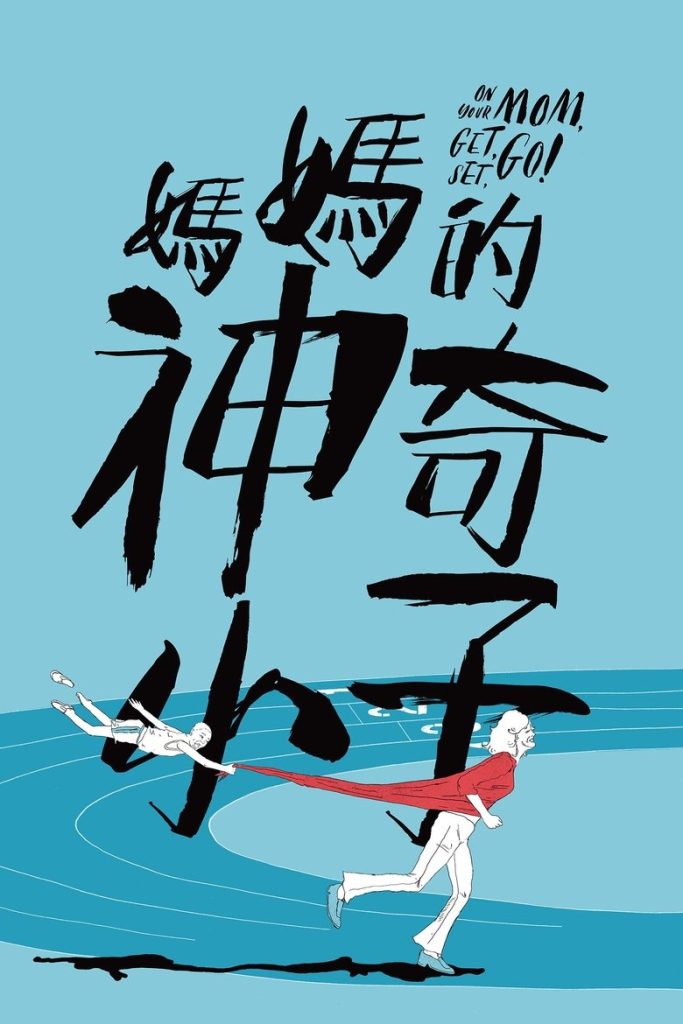
Story overview
Zero to Hero is a 2021 drama film that follows an inspiring journey of personal growth and determination. The story centers on a protagonist overcoming challenges to achieve success through hard work and resilience. It explores themes of perseverance, self-discovery, and the importance of believing in oneself. The narrative delivers an uplifting message about transforming obstacles into opportunities.
Parent Guide
A drama about personal growth and perseverance with themes suitable for older children and teens. The TV-14 rating indicates content may require parental guidance for younger viewers.
Content breakdown
May include dramatic tension or competitive situations without physical violence.
Contains emotional intensity related to challenges and setbacks.
May include occasional mild language consistent with dramatic situations.
No sexual content or nudity expected in this type of drama.
No substance use expected in this inspirational drama.
Contains emotional scenes related to struggle, determination, and personal growth.
Parent tips
This drama contains themes of struggle and perseverance that may resonate with older children and teens. The TV-14 rating suggests content may be unsuitable for children under 14 without parental guidance. Parents should be prepared to discuss how characters handle adversity and what constitutes healthy ambition versus excessive pressure.
Consider watching together with middle school or high school aged children to facilitate conversations about goal-setting and emotional resilience. The film's dramatic elements provide opportunities to talk about realistic expectations and the value of support systems during challenging times.
Parent chat guide
Connect the film's themes to real-life situations your child might encounter, such as academic challenges, sports, or personal goals. Discuss healthy ways to handle disappointment and celebrate incremental progress rather than just final outcomes.
Explore how the characters' relationships and support systems contributed to their journeys, and discuss who your child turns to when facing difficulties.
Parent follow-up questions
- What was your favorite part of the movie?
- How did the main character feel when things were hard?
- Who helped the character in the story?
- What made you happy in the movie?
- What did you learn from watching this story?
- What challenges did the main character face?
- How did the character show bravery in the story?
- What does 'zero to hero' mean to you?
- How did friends or family help the character?
- What would you do if you faced a similar challenge?
- What personal qualities helped the character succeed?
- How did the character handle setbacks or failures?
- What sacrifices did the character make for their goals?
- How realistic do you think the character's journey was?
- What message about hard work did the movie convey?
- How does the film portray the balance between ambition and well-being?
- What societal pressures might influence the character's journey?
- How does the story handle themes of success versus personal fulfillment?
- What alternative paths could the character have taken?
- How does this story relate to real-world challenges teens face today?
🎭 Story Kernel
At its core, 'Zero to Hero' is less about athletic triumph and more about the profound, often unspoken, bond between a mother and her son. The film masterfully explores how So Wa-zi's cerebral palsy isn't the central conflict; rather, it's the immense, quiet sacrifice of his mother, Cheung Ying, that becomes the true engine of the narrative. Her relentless dedication, portrayed not as saintly martyrdom but as a complex mix of love, frustration, and sheer will, is what truly propels him from 'zero' to 'hero.' The Paralympic victories are merely the external validation of a victory already won in their home—the victory of unwavering familial support over societal limitation. The film asks us to reconsider who the real hero is: the athlete on the podium, or the woman who carried him there.
🎬 Visual Aesthetics
The film employs a grounded, intimate visual language that prioritizes emotional closeness over sports spectacle. Director Chi-Man Wan often uses tight close-ups on the faces of So Wa-zi and his mother, especially during moments of struggle, trapping us in their shared emotional world. The color palette is largely muted and naturalistic, reflecting their humble circumstances, with bursts of vibrant color reserved for the Paralympic sequences, visually demarcating the 'dream' from the gritty reality. The racing scenes are shot with a kinetic, immersive energy, but the camera never loses sight of Wa-zi's physicality, emphasizing effort over effortless speed. A recurring visual motif is the weight of bodies—the mother physically carrying her son, the strain of training—making the thematic 'weight' of love and responsibility palpably visual.
🔍 Details & Easter Eggs
💡 Behind the Scenes
The film is based on the real-life story of Hong Kong Paralympic champion So Wa-zi. Actor Leung Chung Hang, who portrays Wa-zi, underwent extensive physical training to authentically depict the athlete's posture and movement. Sandra Ng, who plays the mother, reportedly spent significant time with the real Cheung Ying to capture her mannerisms and quiet resilience. Notably, the production consulted closely with the real So Wa-zi throughout filming to ensure accuracy in portraying both the athletic and personal aspects of his story. Many of the racing scenes were filmed on location in Hong Kong, using the actual types of racing chairs used in Paralympic competition to maintain authenticity.
Where to watch
Choose region:
- Netflix
- Netflix Standard with Ads
Trailer
Trailer playback is unavailable in your region.